

Jahr: 2021

  • News from SDSN Germany

    Logo SDSN Germany
    ©SDSN Germany

    13th meeting of the Extended Leadership Council of SDSN Germany

    Under the title Pandemic Election Year 2021: Mobilization and Positioning of Associations for Sustainable Development Goals, the 13th meeting of the SDSN Germany Extended Steering Committee took place on 24 February 2021 with high-ranking representatives of top German associations. Prof. Dr. h.c. Jutta Allmendinger (President of the WZB, Berlin Social Science Center) introduced the debate with an opening keynote, in which she described the socio-political situation for 2021. The meeting focused on the lever „Social Mobilization and Participation“ mentioned in the German Sustainability Strategy.

    The report will follow shortly.

    More information (just in German)

    SDSN Europe Webinar: The Future Europe Wants: A Green and Digital, Job-Based and Inclusive Recovery

    On 18 February 2021, a webinar on the future of Europe, organised by SDSN Europe, took place, presenting key recommendations of the new report “Transformations for the Joint Implementation of Agenda 2030, the Sustainable Development Goals and the European Green Deal: A Green and Digital, Job-Based and Inclusive Recovery from COVID-19 Pandemic”, followed by comments inter alia from Co-Chairs of the new platform SDSN Europe, Adolf Kloke-Lesch (Managing Director SDSN Germany), Prof. Phoebe Koundouri (EU Senior Working Group Chair) and Prof. Angelo Riccaboni (SDSN Mediterranean Chair).

    More information

  • Neues von SDSN Germany

    Logo SDSN Germany
    ©SDSN Germany

    13. Sitzung des Erweiterten Lenkungsausschusses von SDSN Germany

    Unter dem Titel Pandemiewahljahr 2021: Mobilisierung und Positionierung von Verbänden für Ziele nachhaltiger Entwicklung fand am 24. Februar 2021 die 13. Sitzung des Erweiterten Lenkungsausschusses von SDSN Germany statt mit hochrangigen Vertreter*innen von deutschen Spitzenverbänden. Prof. Dr. h.c. Jutta Allmendinger (Präsidentin des Wissenschaftszentrums Berlin für Sozialforschung) konnte für eine eröffnende Keynote gewonnen werden, in welcher sie die gesellschaftspolitische Lage für 2021 beschrieb. Die Sitzung rückte dabei den in der Deutschen Nachhaltigkeitsstrategie genannten Hebel „Gesellschaftliche Mobilisierung und Teilhabe“ ins Zentrum.

    Der ausführliche Bericht folgt in Kürze.

    Weitere Informationen

    SDSN Europe Webinar: The Future Europe Wants: A Green and Digital, Job-Based and Inclusive Recovery

    Am 18. Februar 2021 fand ein von SDSN Europe organisiertes Webinar zur Zukunft Europas statt, bei dem Schlüsselempfehlungen des neuen Berichts “Transformations for the Joint Implementation of Agenda 2030, the Sustainable Development Goals and the European Green Deal: A Green and Digital, Job-Based and Inclusive Recovery from COVID-19 Pandemic” präsentiert wurden, mit anschließenden Kommentaren u.a. von den. Co-Chairs der neuen Plattform SDSN Europe, Adolf Kloke-Lesch (Geschäftsführender Direktor SDSN Germany), Prof. Phoebe Koundouri (EU Senior Working Group Chair) und Prof. Angelo Riccaboni (SDSN Mediterranean Chair).
    Weitere Informationen (nur in Englisch)

  • G20 Italy 2021 at the crossroad between closure and the revamp of multilateralism

    Photo: Panorama Rome
    By Sosinda on pixabay

    Multilateralism reached its low point in 2020 with the crystallization of the confrontation between major global powers, the further rise of nationalism, deglobalisation and trade protectionism that even threatened access to medical products and more recently Covid-19 vaccines in the midst of a pandemic. The latter profoundly affected global health, peoples’ livelihoods, and deteriorated existing systemic problems, from climate change to inequality, and intensified national reflexes as the G20 leaders turned their focus on domestic management of COVID-19. All these factors stood in the way of a successful G20 Riyadh Summit in November 2020 and still dominate the multilateral landscape in 2021. (mehr …)

  • Cooperation with Africa in the 21st Century: On Peer or Paternalistic?

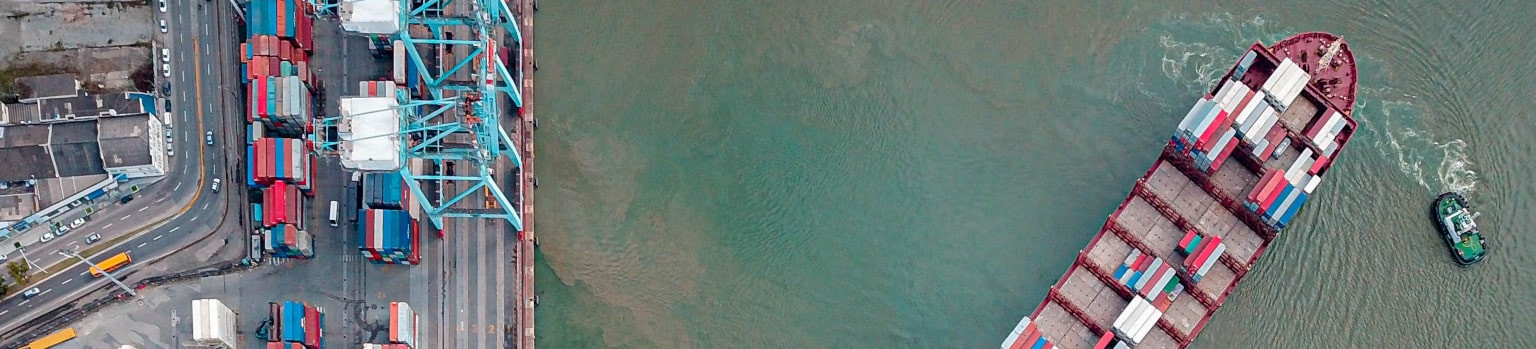
    Photo: Ship in a harbour from above

    Modern development cooperation renounces paternalism. It relies on the market to negotiate projects and puts partner countries to compete with each other for favorable conditions for investments.

    When talking about developing countries, we think primarily of miserable conditions. Too often the three „Cs“ characterize our view of Africa: crisis, corruption and conflict. Positive developments, such as the halving of the number of people living in poverty and the establishment of middle classes are rarely discussed. New, locally adapted technologies have emerged in developing countries. Unfortunately, we pay too little attention to these developments. Accordingly, German and European development cooperation is still far too often based on an outdated image of African countries. It rarely sees actors from African countries as peers.

    (mehr …)

  • Zweite erfolgreiche Veranstaltung des Bonner Wassernetzwerks debattiert „Wasser als Katalysator für die SDGs“

    Logo: Bonn Water Network
    ©Bonn Water Network

    Rund 200 Menschen aus aller Welt verfolgten am 16. Dezember 2020 die zweite Online-Veranstaltung des neuen Bonn Water Network zum Thema“ Wasser als Querschnittsthema der Ziele für Nachhaltige Entwicklung“. Dr. Annabelle Houdret vom Deutschen Institut für Entwicklungspolitik (DIE) und Sprecherin des Netzwerks, hob in ihrer Moderation hervor, dass das Ziel 6 der Ziele für nachhaltige Entwicklung zu sauberem Wasser und Sanitärversorgung entscheidend für die Umsetzung vieler anderer Ziele wie Ernährungssicherheit, Gesundheit, Bildung, Land oder Energie ist. In seiner Keynote führte Dr. Srinivasa Srigiri (DIE) in das Thema ein und wies darauf hin, dass in der gesamten Agenda 2030 für nachhaltige Entwicklung viele Ziele von der Verfügbarkeit von und dem Zugang zu Wasser abhängen. Er stellte einen analytischen Ansatz vor, um die sich daraus ergebenden Verflechtungen und Zielkonflikte aus einer Governance-Perspektive zu identifizieren und zu adressieren. (mehr …)