Jahr: 2020

  • DIE-Direktorin Anna-Katharina Hornidge in den Wissenschaftlichen Beirat der Bundesregierung Globale Umweltveränderungen (WBGU) berufen

    Logo WBGU
    © WBGU

    DIE-Direktorin Anna-Katharina Hornidge wurde von den Bundesministerinnen Svenja Schulze und Anja Karliczek als neues Mitglied in den Wissenschaftlichen Beirat der Bundesregierung Globale Umweltveränderungen (WBGU) berufen. Der WBGU (gegründet 1992) beschäftigt sich mit der Zielerreichung der Agenda 2030 der Vereinten Nationen und der Umsetzung der damit verbundenen Ziele für nachhaltige Entwicklung (SDGs). Im Fokus steht die globale Transformation zur Nachhaltigkeit, um bisherige Entwicklungspfade strategisch und inhaltlich weiterzuentwickeln. Die insgesamt neun Mitglieder des WBGU betrachten unter anderem globale Umwelt- und Entwicklungsprobleme, bewerten die Umsetzung der globalen Nachhaltigkeitspolitik, ergänzen weitere Handlungsempfehlungen und setzen Impulse für mögliche Forschungsschritte in der Wissenschaft.

    Weitere Informationen finden Sie hier
  • DIE Director Anna-Katharina Hornidge in an interview with Development & Cooperation (D&C)

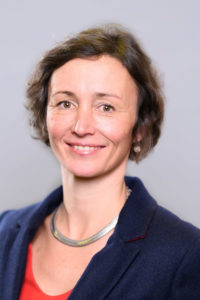
    Photo: Anna-Katharina Hornidge
    Anna-Katharina Hornidge, ©DIE

    Anna-Katharina Hornidge and Hans Dembowski, Chief Editor of Development & Cooperation (D&C), exchange views on system theory concepts. They discussed what development and functional differentiation have to do with each other.

    Find more information here

  • DIE-Direktorin Prof. Dr. Anna-Katharina im Interview mit Entwicklung & Zusammenarbeit (E&Z)

    Photo: Anna-Katharina Hornidge
    Anna-Katharina Hornidge, ©DIE

    Anna-Katharina Hornidge und Hans Dembowski, Chefredakteur von Entwicklung & Zusammenarbeit (E&Z), haben sich über systemtheoretische Konzepte ausgetauscht. Im Zentrum stand die Frage, was Entwicklung und funktionale Differenzierung miteinander zu tun haben.

    Weitere Informationen finden Sie hier

  • Beyond vested interests: Reforming international co-operation post COVID-19

    World with a FFP2 Mask
    By cromaconceptovisual on pixabay


    The world is now in the eighth month of the COVID-19 pandemic. When this was written, the highest daily infection rates were recorded in India, the US and Brazil, while the highest death rates (per 100,000 inhabitants) were registered in Europe and the Americas. Africa so far has not turned into a hotspot of the disease – good news that is attributed to effective public health workers and Africa’s young population. The COVID-19 pandemic has laid bare weaknesses and blind spots in societies, economies and policies worldwide. Notably that public services the world over take too long to understand their new responsibilities under changed circumstances and as a result act too slowly, at the expense of the most vulnerable. For example, infection and death rates are high in OECD countries despite good health care systems. And insufficient digital infrastructure and access in public administrations, schools and households, exacerbated by social inequalities, affect access to education in Germany or in Latin American countries alike. (mehr …)

  • Europe in the world: How the European Green Deal could influence global climate action and sustainable development

    Photo: Bamboo Plants from below

    The European Union (EU) announced its European Green Deal (hereafter Green Deal) at the global Climate Conference in Madrid in 2019, stating its intention to make Europe carbon neutral by 2050. The EU has been a global leader on the international stages of climate and sustainability, constantly pushing for more action at home and in the international negotiations. In that sense, through the Green Deal, the EU recognizes that its domestic action alone will not set the world on track for the deep needed transition towards sustainability. Rather, it notes and takes seriously the role it could play globally by acting as a role model and by directly stimulating action beyond borders.

    (mehr …)