Jahr: 2020

  • Workshop on Approaches in Small Farmer Promotion

    Small farmers still constitute the majority of the population in the Global South and are disproportionately affected by poverty. While there is consensus that SDG 2 (Zero Hunger) and other development goals cannot be achieved without promoting small farmers, there are different and often controversial opinions about the best approaches to do so.
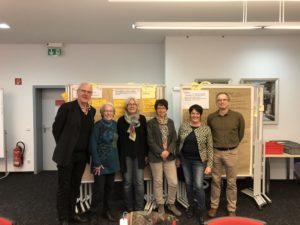
    Photo: The team during the Workshop
    The team during the workshop, ©DIE

    On 4 March 2020, the German Development Institute / Deutsches Institut für Entwicklungspolitik (DIE), in collaboration with “Netzwerk entwicklungspolitischer Fachleute” (a network of independent development professionals) carried out a non-public workshop which aimed at fostering exchange and dialogue among development agencies to eventually overcome stereotyped antagonisms on this important issue. Altogether 25 participants took part, representing 12 organisations (GOs, NGOs and private sector) active in this field, particularly members of the support group of the German Special Initiative “A World Without Hunger” (SEWOH), plus some freelance experts.

    After an introduction by Michael Brüntrup of DIE, Professor Theo Rauch gave a keynote highlighting existing controversies but also areas of common ground with regard to four different dimensions: Integrated vs. product oriented approaches; ecological/low input vs. conventional/high input farming technologies; public vs. private service systems and regional vs. global food systems. In a next step, nine organisations presented their specific experiences, displaying a wide range of approaches, achievements, but also limitations.

    The afternoon was dedicated to working groups which took up the first three dimensions sketched out in the keynote and discussed about pros and cons of each approach as well as potential combinations and open questions.

    Participants in the final plenary session agreed that the topic was highly relevant and the workshop had been successful in showing the variety of approaches, fostering dialogue and inspiring new insights. Many supported the idea to continue exchange and collaboration.

    For further readings on SDG2 please visit our web special: Food security and agriculture for a world without hunger.
  • Workshop zu Ansätzen der Förderung von Kleinbäuerinnen und Kleinbauern

    Kleinbauern und Kleinbäuerinnen stellen weiterhin die Mehrheit der Bevölkerung im globalen Süden dar und sind unverhältnismäßig stark von Armut betroffen. Es besteht zwar Konsens darüber, dass SDG 2 (Kein Hunger) und andere Entwicklungsziele nicht ohne die Förderung von Kleinbäuerinnen und Kleinbauern erreicht werden können. Doch gibt es unterschiedliche und oft konträre Meinungen über die besten Ansätze dazu.

    Foto: Das Team während des Workshops
    Das Team während des Workshops, ©DIE

    Am 4. März 2020 führte das Deutsche Institut für Entwicklungspolitik (DIE) in Zusammenarbeit mit dem Netzwerk entwicklungspolitischer Fachleute einen nicht-öffentlichen Workshop durch. Dieser zielte darauf ab, den Austausch und Dialog zwischen den Entwicklungsorganisationen zu fördern, um stereotype Debatten zu diesem wichtigen Thema zu überwinden. Insgesamt nahmen 25 Personen teil, die zwölf in diesem Bereich tätige Organisationen (Regierungsorganisationen, NGOs und Privatwirtschaft) vertraten, insbesondere Mitglieder des Begleitkreises der deutschen Sonderinitiative „Eine Welt ohne Hunger“ (SEWOH), sowie einige freiberufliche Expert*innen.

    Nach einer Einführung durch Michael Brüntrup vom DIE hielt Prof. Theo Rauch ein Impulsreferat, in dem er bestehende Kontroversen, aber auch Gemeinsamkeiten in vier verschiedenen Dimensionen hervorhob: Integrierte versus produktorientierte Ansätze; ökologische/low external input versus konventionelle/high external Input -Technologien; öffentliche versus private Dienstleistungssysteme und regionale versus globale Ernährungssysteme. In einem nächsten Schritt stellten neun Organisationen ihre spezifischen Erfahrungen vor und zeigten dabei ein breites Spektrum an Ansätzen, Erfolgen, aber auch Einschränkungen auf.

    Der Nachmittag war den Arbeitsgruppen gewidmet, welche die ersten drei der in der Keynote skizzierten Dimensionen aufgriffen und über die Vor- und Nachteile der einzelnen Ansätze sowie über mögliche Kombinationen und offene Fragen diskutierten.

    Die Teilnehmer*innen der abschließenden Plenarsitzung waren sich einig, dass das Thema von hoher Relevanz ist und dass es im Workshop gelungen sei, die Vielfalt der Ansätze zu zeigen, den Dialog zu fördern und neue Einsichten zu inspirieren. Viele unterstützten die Idee, den Austausch und die Zusammenarbeit fortzusetzen.

    Erfahren Sie mehr zum Thema in unserem Webspecial: Ernährungssicherheit und Landwirtschaft für eine Welt ohne Hunger.

  • News from SDSN Germany

    SDSN Germany has presented five proposals for the structural advancement of the German Sustainable Development Strategy, which were adopted by the Leadership Council in March 2020:

    1. Mutual strengthening of both the German Sustainable Development Strategy and the European Green Deal
    2. Implementation by focusing on key transformations and overarching levers
    3. Using finance as a transformative lever
    4. Anchoring the strategy in parliament and society, strengthening of governance
    5. Synchronising the cycles of the Sustainable Development Strategy and key political processes

    The German Sustainable Development Strategy, which had been updated regularly since 2002, was completely reworked in 2016. This overhaul brought it in line with the 17 Sustainable Development Goals (SDGs) of the 2030 Agenda, which the world’s Heads of State and Government had adopted at a 2015 UN summit. The German strategy was last updated in 2018. Now, its next extensive revision is round the corner in 2020. By presenting its statement, SDSN Germany wants to contribute to this revision process.

    The German Sustainable Development Strategy lacks both political relevance and the ability to make a structural impact. At the same time, the international and European context of Germany’s sustainable development policy has seen new strategies and approaches emerge since 2016 that should be factored into the upcoming revision of the German Sustainable Development Strategy. Please find the full statement of our network here.

    SDSN Germany initiated an exchange between members and partners from the network to reflect on the consequences of the Corona crisis on national, European and international sustainability and climate policy as well as on global cooperation. The results shall be discussed in the next leadership council meeting in April by defining possible next steps.

    The global SDSN started a public opinion survey on progress made and major challenges faced in implementing the SDGs. The results will be included in the 2020 Sustainable Development Report that is published by SDSN and the Bertelsmann Stiftung. Please find more information about the report and the survey here: https://www.unsdsn.org/sdsn-public-opinion-survey-on-sdg-progress-and-challenges. The survey comprises five questions and it should take less than five minutes to respond. Thank you so much for participating!

  • Neues von SDSN Germany

    SDSN Germany hat fünf Vorschläge zur strukturellen Weiterentwicklung der Deutschen Nachhaltigkeitsstrategie entwickelt, die der Lenkungsausschuss im März 2020 beschlossen hat:

    1. Deutsche Nachhaltigkeitsstrategie und European Green Deal gegenseitig stärken,
    2. Umsetzung durch Fokussierung auf Schlüsseltransformationen und übergreifende Hebel,
    3. Den transformativen Hebel Finanzen konsequent nutzen,
    4. Strategie in Parlament und Gesellschaft verankern, Steuerung in der Regierung stärken,
    5. Zeitliche Rhythmen von Nachhaltigkeitsstrategie und politischen Schlüsselprozessen verknüpfen.

    Die seit 2002 regelmäßig fortgeschriebene Deutsche Nachhaltigkeitsstrategie wurde 2016 grundlegend überarbeitet. Dabei wurde sie an den 17 Zielen für nachhaltige Entwicklung (SDGs) der Agenda 2030 ausgerichtet, die 2015 von den Staats- und Regierungschefs der Welt auf einem Gipfeltreffen bei den Vereinten Nationen beschlossen worden war. Zuletzt wurde die Strategie 2018 aktualisiert. Im Jahr 2020 steht nun die nächste umfassende Überprüfung und Weiterentwicklung an. In diesen Prozess möchte sich SDSN Germany mit seiner Stellungnahme einbringen.

    Die Deutsche Nachhaltigkeitsstrategie konnte bis jetzt zu wenig politische Relevanz und strukturelle Wirkungsmacht entfalten. Gleichzeitig sind seit 2016 im internationalen und europäischen Umfeld der deutschen Nachhaltigkeitspolitik neue Konzepte und Ansätze entstanden, die bei einer Weiterentwicklung der Strategie berücksichtigt werden sollten. Die vollständige Stellungnahme unseres Netzwerks finden Sie hier.

    SDSN Germany hat einen Austausch mit Mitgliedern und Partnern des Netzwerks initiiert, um über die Konsequenzen der Corona-Krise auf nationale, europäische und internationale Nachhaltigkeits- und Klimapolitik sowie globale Zusammenarbeit zu reflektieren und mögliche nächste Schritte abzustimmen. Die Ergebnisse sollen in der nächsten Sitzung des Lenkungsausschusses im April 2020 abschließend beraten werden.

    Das globale SDSN hat eine öffentliche Befragung gestartet zur Beleuchtung der Fortschritte und Herausforderungen bei der Zielerreichung der SDGs. Die Ergebnisse dieser öffentlichen Befragung werden in den 2020 Sustainable Development Report einfließen, den das globale SDSN gemeinsam mit der Bertelsmann Stiftung herausbringt. Unter diesem Link können Sie weitere Informationen zum Report finden und noch bis zum 17. April an der Umfrage teilnehmen: https://www.unsdsn.org/sdsn-public-opinion-survey-on-sdg-progress-and-challenges. Die Umfrage umfasst fünf Fragen und sollte eine Bearbeitungszeit von fünf Minuten nicht überschreiten. Vielen Dank für Ihre Unterstützung!

  • Sander Chan awarded fellowship at the Käte Hamburger Kolleg/Centre for Global Cooperation Research (KHK/GCR21)

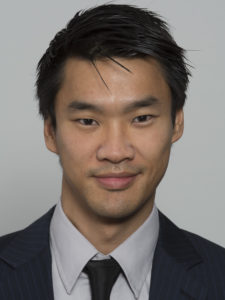
    Photo: Sander Chan
    Sander Chan, ©DIE

    Sander Chan, Senior Researcher at the German Development Institute/Deutsches Institut für Entwicklungspolitik (DIE), has been awarded a prestigious research fellowship with the Käte Hamburger Kolleg/Centre for Global Cooperation Research (KHK/GCR21). From September 2020 on, he will conduct research on climate action and radical transformation at the Centre in Duisburg.

    Sander Chan’s research topic is especially relevant in light of the SARS-CoV-2 outbreak. “We must ask what the corona virus outbreak means for climate commitments made in recent years by businesses, local authorities, and civil society. Is such action premised on growth – which has been badly hurt? If so, will low-carbon and climate-resilient development not happen? What alternatives are available to leverage an economic downturn for sustainability?”, Chan highlights.

    Since 2012, KHK/GCR21 has been advancing to understand the possibilities and limits of global cooperation, building an interdisciplinary community that explores new options for global public policy. Sander Chan will contribute to the Centre’s focus on global cooperation and polycentric governance.

    During his year-long fellowship, Sander Chan aims to develop a consortium of internationally leading researchers. “The complexity of interactions in global governance and knowledge gaps in the study of climate action require interdisciplinary and multi-method approaches. The contributions of many will far exceed those of an individual researcher,” he explains.

    Sander remains affiliated with the Copernicus Institute of Sustainable Development at Utrecht University as adjunct assistant professor. He will also continue being at DIE, coordinating work on transnational climate governance under the Klimalog Project, funded by the Federal Ministry for Economic Cooperation and Development (BMZ).