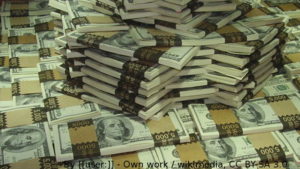
 Von Heiner Geissler stammt der berühmte Satz: „Es gibt Geld wie Dreck auf der Welt, es haben nur die falschen Leute.“ Das war 2011. Heute gibt es noch mehr Geld, und es ist erst recht in den Händen der falschen Leute. Schätzungen des Tax Justice Network zufolge liegen in den sogenannten „Steueroasen“ der Welt mindestens 21 Billionen Dollar, das sind 21.000 Milliarden Dollar. Eine 21 mit 12 Nullen.
-
Es gibt Geld wie Dreck
-
G20 pushes for Africa Connect

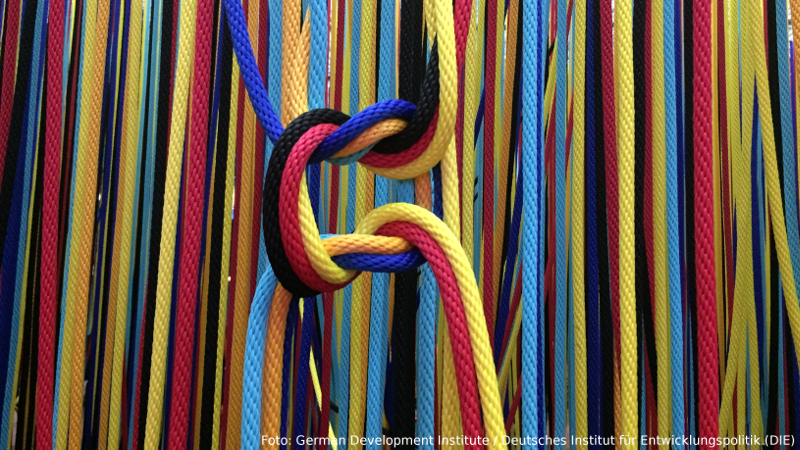
The recently held G20 Summit in Hamburg has set high hopes for the G20 process in terms of being inclusive, effective and result-oriented. The fact that trade, investment, migration, terrorism and many other priorities including excess capacity in the steel sector could be incorporated with specific action is testimony to collective commitment for a better world.
-
Reading recommendation: For the G20 – Let’s return to the original idea
The G20 need to get back to their routes At its creation the G20 was meant to facilitate coordination, cooperation and problem-solving among key actors in a specific policy field, which then was global financial stability. The G20 was not meant to be a jack-of-all-trades, offering welcoming words and restating support for long-accepted and previously reconfirmed goals, as most subsequent G20 summits did.
(mehr …)
 When the finance ministers of the G7 countries proposed the G20 in the late 1990s, a good sense of realism prevailed. They recognized that addressing issues of global finance required the political support from—and involvement of—emerging market economies. This view proved prescient in seeking policy responses to the 2007–08 global financial crisis. The leaders of the G20 met at their first summit in Washington D.C. in 2008 to agree on measures to resolve the crisis through dialogues among the “systemically relevant” countries.