

Blog Series: What remains of the G20 Hamburg Summit?

International migration has effectively entered the G20 agenda only two years ago. When Turkey hosted the Antalya Summit in November 2015, it had also recently become host to several million refugees, mostly from Syria – some of whom were moving on to the Balkans and further to Western Europe. Accordingly, the Antalya Communiqué describes the “ongoing refugee crisis” as a global concern and uses rather specific language in calling for burden-sharing among states and more support for refugees, including through additional humanitarian and development assistance and third-country resettlement.
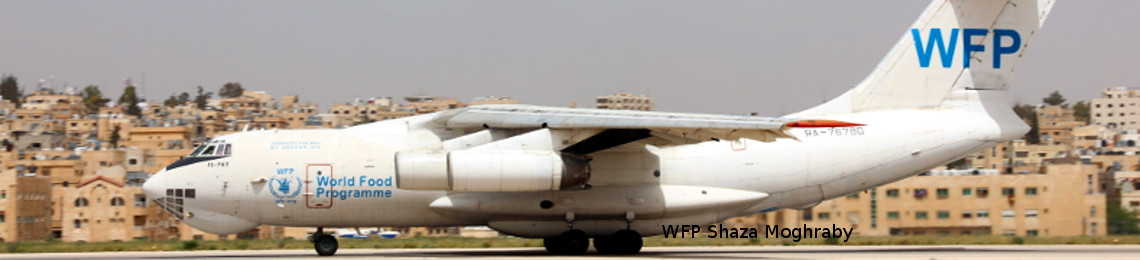 Sowohl konfliktbedingte Krisen (z.B. Syrien, Ukraine, Südsudan) als auch Naturkatastrophen (z.B. Erdbeben in Nepal) sind in den vergangenen Jahren in ihrer Anzahl, Intensität und Dauer stetig angestiegen. Hinzugekommen sind Krisen wie Ebola oder humanitäre Auswirkungen des Klimawandels, z.B. durch das El-Niño-Phänomen. Dies verdeutlicht: Der weltweite Bedarf an Humanitärer Hilfe ist immens gestiegen.
 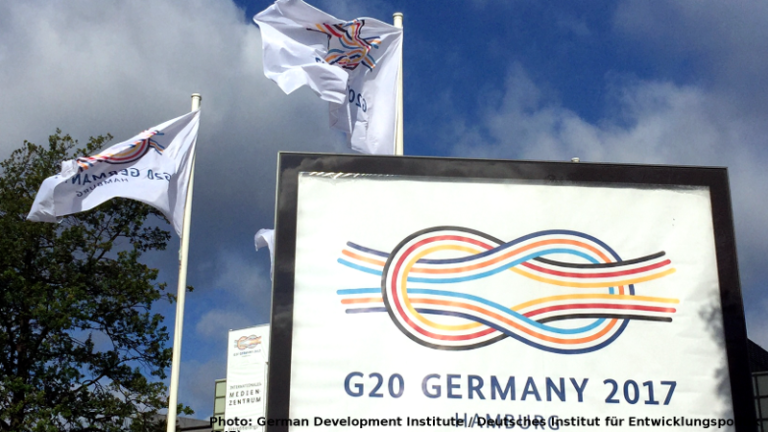 African leaders welcomed the Attention at this G20 Summit and praised Germany for the “new partnerships”. In concrete terms though, what results from this effort are the announcements of funding of less than $ 500 million. Time has come for the continent to position itself as part of the solution rather than part of the problems to address. Instead of being too distracted by others‘ plans, it’s time to have a plan for how the continent deals with them, G20 included.