
IDOS guest researcher Darius Saviour Ankamah highlighted creative climate action and climate mobility, emphasising psychosocial impacts, community-centred data, gendered realities and adaptation strategies. His interventions stressed cultural heritage as a foundational component of climate resilience and the significance of integrating cultural perspectives into the Global Goal on Adaptation.
Youth Cultural Heritage Engagement at COY20
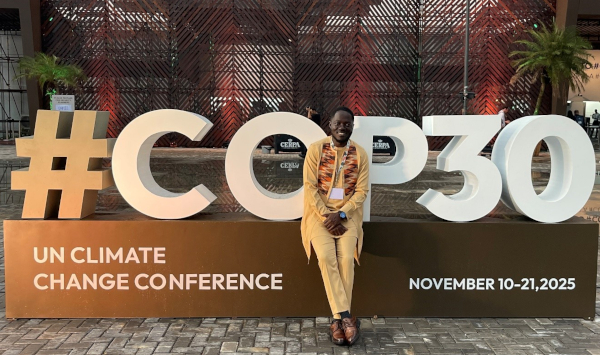
On 7 November, prior to COP30, Darius Saviour Ankamah organised and facilitated a youth cultural heritage event during the 20th UNFCCC Global Children and Youth Conference (COY20) in Belém. In his capacity as the Global Contact Point of the YOUNGO Arts, Culture and Heritage Working Group and in partnership with the Climate Heritage Network Youth Forum, Darius launched a youth-led process designed to connect the pre-COP youth conference with youth participation at COP30.
The session brought together young practitioners, artists, heritage workers and Indigenous leaders to share experiences of how culture shapes resilience in their communities. The reflections shared by participants resonated strongly with research on heritage-informed adaptation and the psychosocial impacts of climate disruptions. The event laid the groundwork for sharing the Global Youth Statement’s Cultural Heritage thematic inputs with Parties, Organisations and the UNFCCC agencies and established the foundation for the Youth Academy for Cultural Heritage and Climate Action (YACHA).
Opening Plenary of the Climate Live, Entertainment and Culture Pavilion
As a youth climate negotiator, Darius was invited to deliver remarks during the opening plenary of the Climate Live, Entertainment and Culture Pavilion on 10 November. His contribution provided an overview of the evolving negotiations on the Global Goal on Adaptation, the relevance of cultural dimensions within the adaptation framework and the key outcomes anticipated during COP30. He gave perspectives to participants‘ expectations during and after COP30 on possible outcomes and alignment of parties on the GGA and the indicators given outcomes from SB62 and the expert workshops ahead of COP30.
The plenary created a platform to communicate the significance of integrating cultural perspectives into both negotiation processes and the activities of the Pavilion, reinforcing the message that culture and heritage are essential elements of effective and socially grounded adaptation strategies.
British Council Event on Creative Climate Action
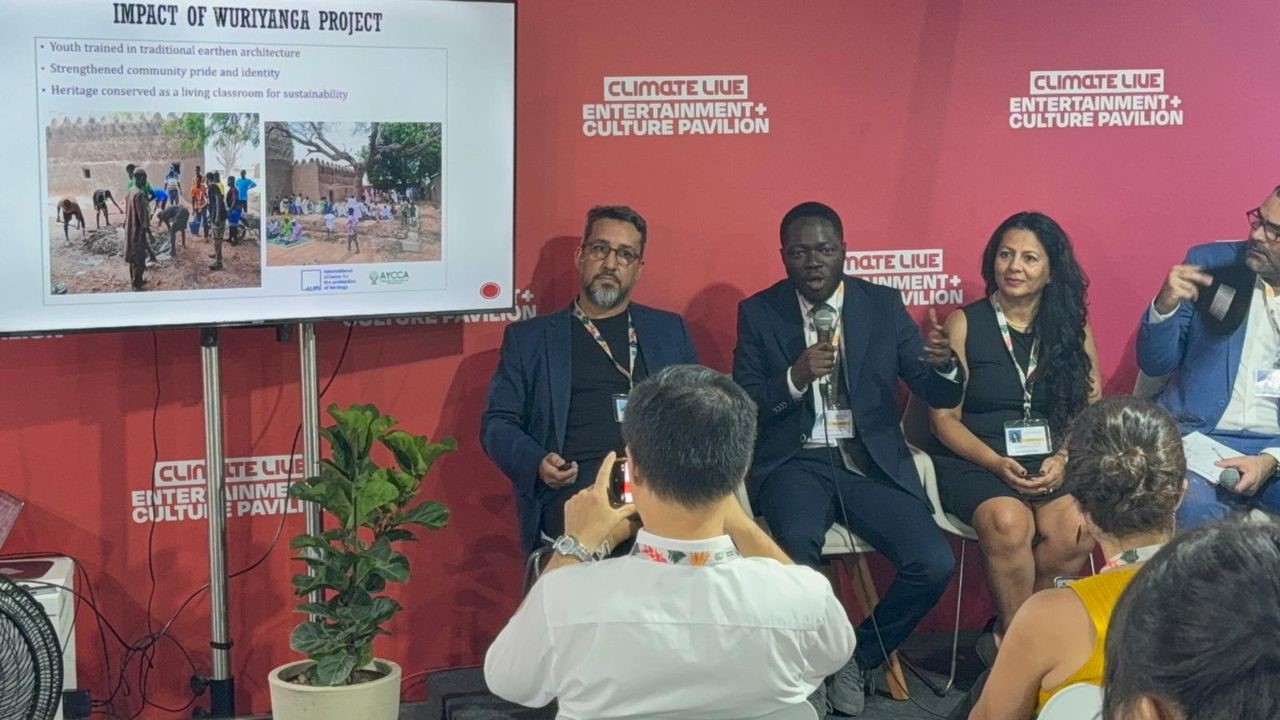
On 12 November, Darius Saviour Ankamah took part in the British Council’s side event titled “Creative Climate Action: Stories of Inclusive Approaches and Sustainable Practices,” held at the Climate Live and Entertainment and Culture Pavilion. As an IDOS guest researcher representing AYCCA as its Executive Director, Darius Saviour Ankamah shared insights from the Wuriyanga Climate Heritage and Restoration Project in Ghana, which was supported by ALIPH.
He demonstrated how youth-led organisations can bridge creative expression, traditional knowledge and climate adaptation. The presentation illustrated how culturally grounded restoration activities strengthen community resilience, preserve valued heritage and enhance social cohesion, elements that intersect closely with the objectives of his current research, cultural resilience and climate adaptation strategies.
ECOWAS High-Level Panel on Climate Mobility
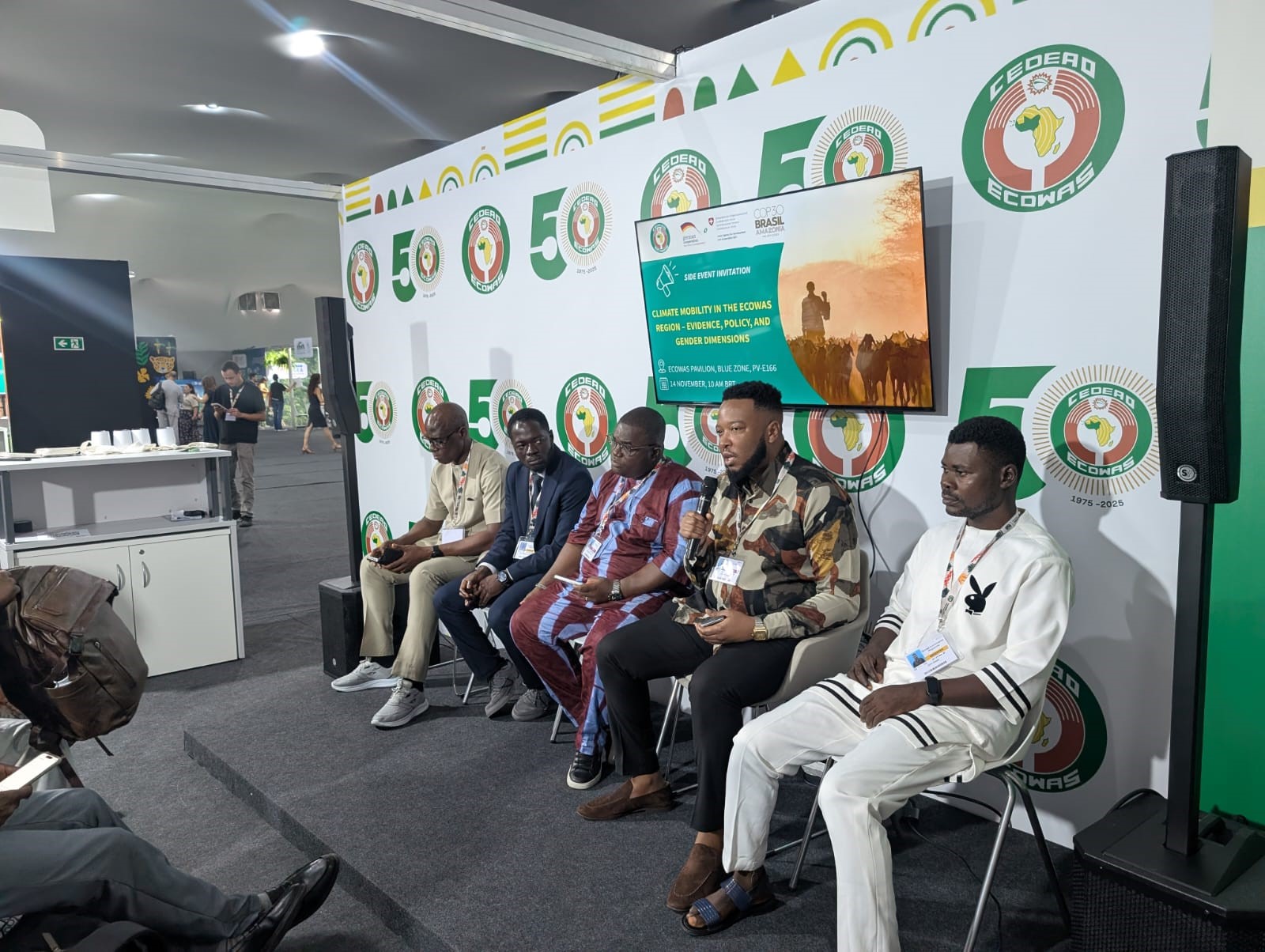
On 14 November, Darius Saviour Ankamah was invited by the ECOWAS Commission to speak at their high-level panel on “Climate Mobility in the ECOWAS Region: Policy and Gender Dimensions.” His intervention drew directly from the findings of his Humboldt-funded research at IDOS, particularly on the need for more community-centred qualitative data to understand the psychosocial, cultural and gendered realities of climate mobility.
Darius Saviour Ankamah further emphasised the urgent need for more qualitative, community-centred data to understand the full spectrum of climate mobility impacts, particularly in areas such as psychosocial resilience and mental well-being, social cohesion and community dynamics, cultural and heritage loss, health implications, and gendered burdens and inequalities, among others. He also stated that such data is essential to ensure that national and regional frameworks, such as NAPs, NDCs, migration policies, and climate action strategies, accurately reflect the lived realities of displaced populations and genuinely safeguard their rights, dignity, and cultural identities.
Darius Saviour Ankamah emphasised that mobility in West Africa carries profound cultural significance, involving not only the movement of people but also the potential erosion of heritage, identity and social stability. He highlighted that adaptation policy in the region must consider these cultural dimensions, alongside the gendered burdens that climate mobility often places on women. The panel reinforced the importance of integrating evidence-based research, youth expertise and cultural perspectives into regional climate and migration frameworks.
On a later panel invitation with the ECOWAS Commission on “Strengthening Early Warning Climate Resilience and Human Mobility Systems in West Africa. Darius welcomed and lauded the ECOWAS Free Movement of People and Goods and the Early Warning Systems (ECOWARN) Protocols, which support member countries to improve climate-induced migration as an adaptation strategy by providing safe pathways, documentation, among others, to displaced populations (Migrants) and providing early warning systems to prevent the loss of lives and properties.
He shared best practices of early warning systems and gaps in Ghana employed by the governments and other CSOs, such as the Alliance for Youth in Climate Change Action (AYCCA), in vulnerable coastal communities in the Volta Region of Ghana. He stressed that early warning systems must build trust among local communities to ensure safe reliance on these systems. And also, the localisation of the ECOWARN and other EWS by using local infrastructures to ensure the absolute and effective impacts of EWS.
Humboldt Foundation: ICPF Event at the DR Congo Pavilion
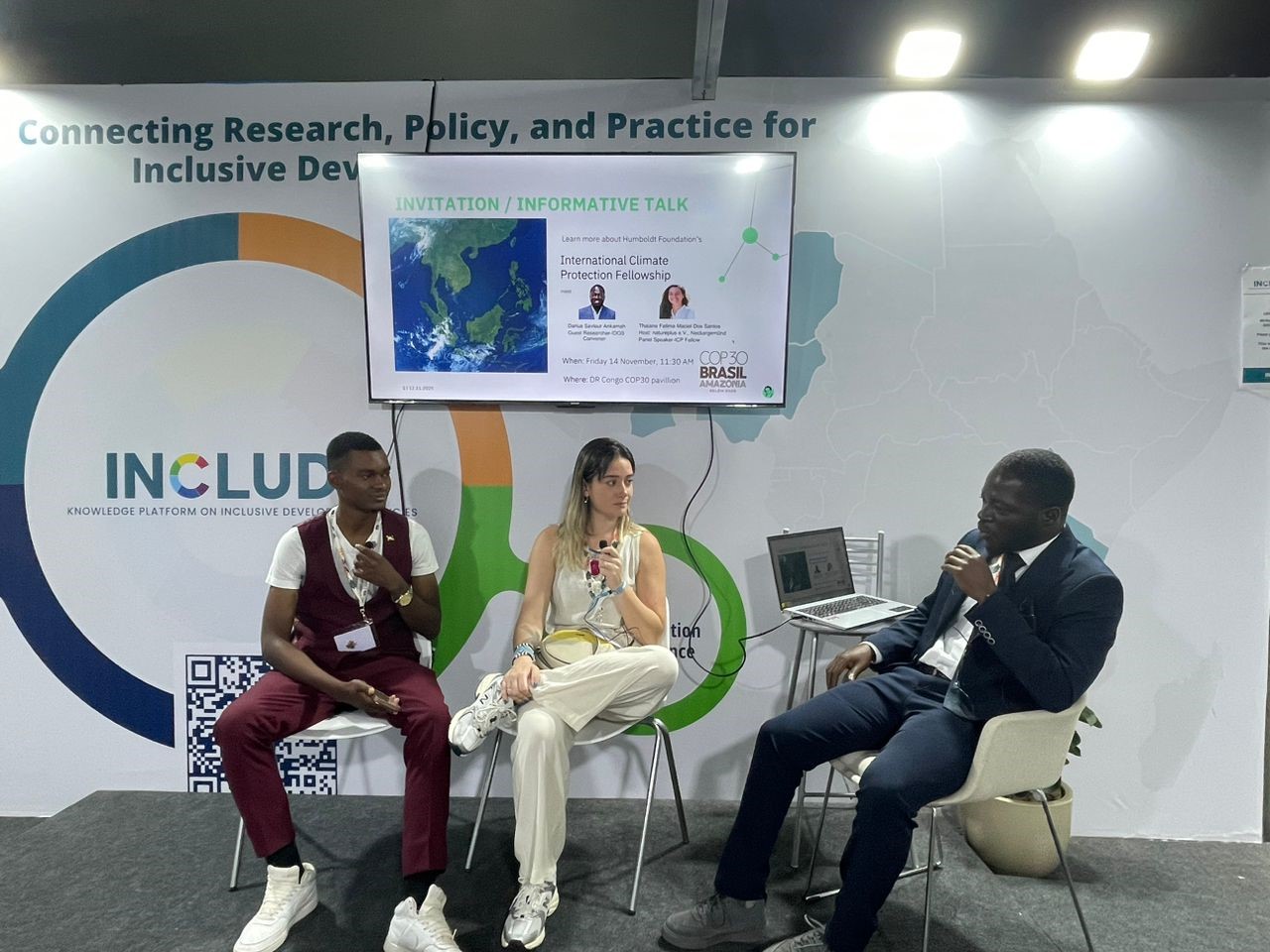
On 14 November, Darius Saviour Ankamah organised and gave a presentation at the International Climate Protection Fellowship (ICPF) side event hosted at the Include Pavilion. Supported by the Alexander von Humboldt Foundation, the event provided an opportunity to showcase the fellowship as a platform for supporting emerging climate leaders and strengthening global scientific collaboration.
He presented an overview of his experience as a current fellow at IDOS, highlighting how the programme facilitates research mobility, fosters academic partnerships and equips researchers with the tools needed to contribute to evidence-based climate policymaking. This event also enabled engagement with prospective fellows and the broader research community, demonstrating how youth leadership can be institutionalised within global climate governance structures.
Youth-Led Cultural Heritage Side Event
On 18 November, Darius Saviour Ankamah led the organisation of the youth-focused climate action and cultural heritage side event at the Climate Live, Entertainment and Culture Pavilion. The session was hosted in partnership with the British Council, the Climate Heritage Network, the Alliance for Youth in Climate Change Action (AYCCA) and YOUNGO’s Arts, Culture and Heritage Working Group. The event explored cultural heritage as a foundational component of climate resilience, highlighting the vital role young people play in safeguarding traditions, identities and knowledge systems threatened by climate change. Recognised in the Global Goal on Adaptation as one of the thematic targets, Target 9(g), cultural heritage has 8 sets of indicators in the final 100 indicators submitted by the expert working groups to measure progress on the implementation of the GGA. Underscoring the importance of cultural heritage in building community resilience and adaptation, especially as a powerful tool in adaptation strategies of displaced communities. Currently, 5 indicators under Target 9(g) are adopted among the 59 indicators listed under the CMA 7 on GGA.
The discussion underscored that cultural heritage is both a source of continuity and an enabler of community-based adaptation, while also being deeply vulnerable to climate impacts. The session culminated in a youth-driven framework for action that later evolved into the Youth Academy for Cultural Heritage and Climate Action (YACHA), an initiative aligned with the interplay between cultural heritage, psychosocial coping mechanisms and climate-induced mobility.

Schreibe einen Kommentar