
IDOS researcher Dr Semuhi Sinanoğlu shares insights from a fellowship in the U.S. Meetings with officials and business leaders revealed how companies resist anti-democratic transgressions and quietly protect civic initiatives, thereby helping to safeguard democratic institutions. Key takeaways include coalition-building, supporting legacy businesses and understanding why not all support for democracy can be public.
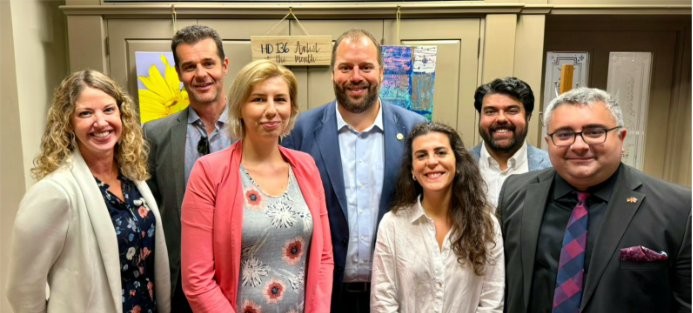
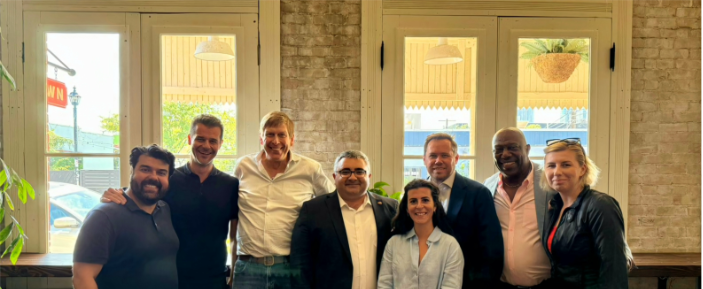
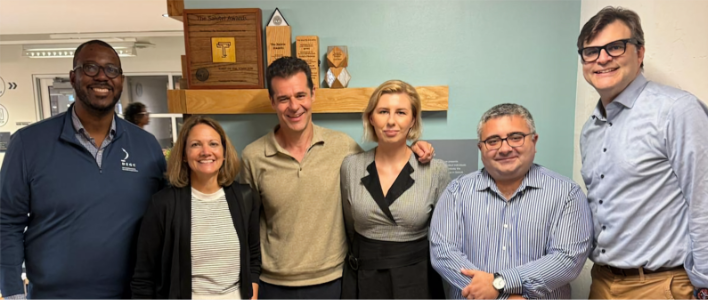
Semuhi Sinanoğlu completed three weeks of immersive travel to the United States as a German Marshall Fund Marshall Memorial Fellow. He travelled to DC, Michigan, Texas and Alabama, and met with elected officials, business leaders, and philanthropic organisations. He exchanged ideas related to the research he is leading at IDOS on business support for democracy. The project investigates the conditions under which the business community resists anti-democratic transgressions and repression, and when business leaders take active and visible steps to safeguard democratic institutions and their local communities.
Several key insights have emerged from these meetings for democracy protection stakeholders:
- Build broad coalitions with the business community on specific topics that also impact their bottom line. It takes time to develop trust with different stakeholders and understand their language. Rights-based organisations should invest in building coalitions that include the business community on issues that also affect their bottom line. These relationships can be leveraged later for broader democracy protection efforts.
- Protect and financially support legacy businesses. Legacy businesses, which are small businesses that have operated in the same location for decades, are integral to community life. They often punch above their weight in democracy protection by serving as hubs for community. In the face of government pressure, local communities often rally to their defense. Pro-democracy actors should provide financial and institutional support to preserve these businesses.
- Not all democracy support should be public. Even in established democracies, businesses face risks when they openly counter government policies. Authorities can cancel public contracts, revoke permits, impose tax audits, or use regulatory tools to punish dissent. For instance, they may recognise that anti-immigration measures are commercially untenable but remain silent out of fear of intimidation. Instead, they might discreetly support pro-immigration civic initiatives, or protect their workforce quietly. Democracy protection stakeholders must recognise this reality: not all efforts can or should be broadcast.
For Dr. Sinanoğlu’s recent publications on the topic, see below:
Autocrats and their business allies: The informal politics of defection and co-optation

Schreibe einen Kommentar