With the topic “Managing Polarization and Fragmentation”, the ASC focused on the effects of a profoundly changing international order in Arctic contexts, with a particular emphasis on different types of security, including physical, societal and environmental safety.
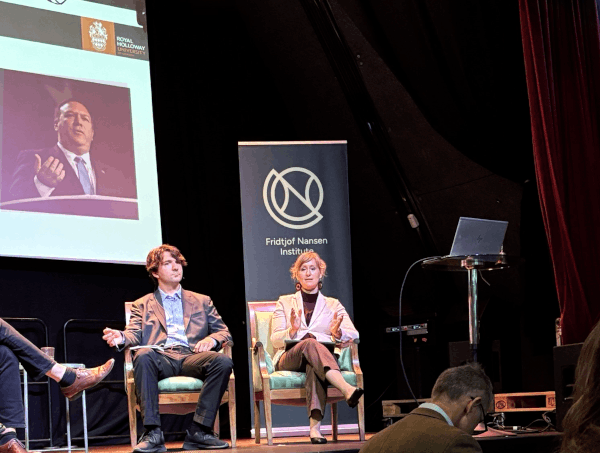
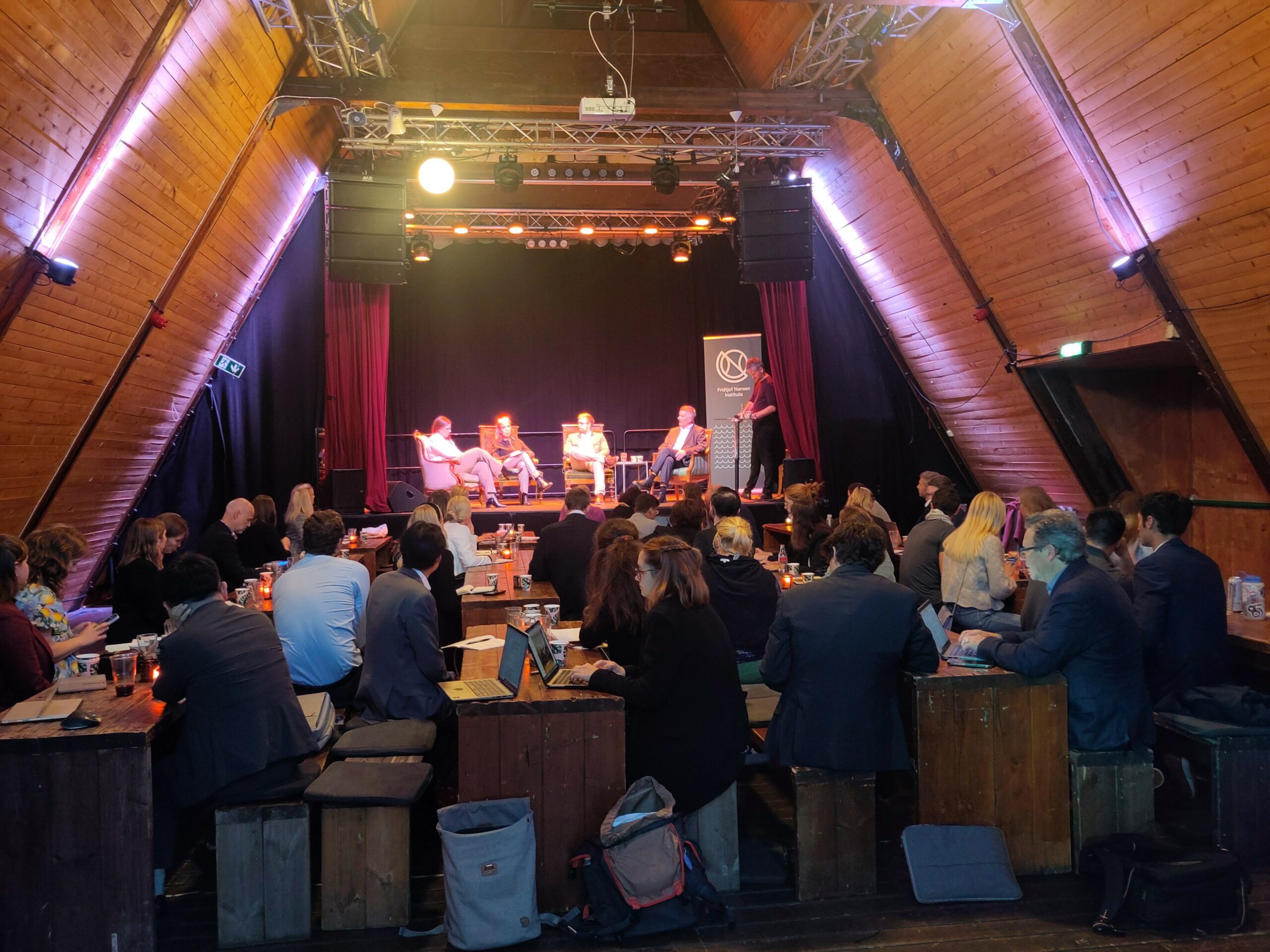
IDOS researchers Dr Charlotte Gehrke and Dr Dorothea Wehrmann participated in the ASC workshop and conference discussions organised by the Fridtjof Nansen Institute in Oslo, alongside around 200 other researchers and practitioners from the Arctic regions and beyond. The event involved various discussion formats, with the aim of encouraging nuanced debate on how to address climate change and geopolitical tensions, which are widely considered to be existential threats.
Dr Wehrmann emphasised the importance of maintaining focus on the most pressing challenges facing the Arctic and the world, chief among them being the climate crisis, which is no longer the first priority in the current security landscape. She posed critical questions about how we can leverage the great power narrative as an opportunity to re-empower local and environmental perspectives. Meanwhile, Dr Gehrke presented research on science communication and science diplomacy, emphasising the vital role of practitioners – including policymakers, Indigenous representatives, journalists, and researchers – who work and collaborate across local, national, and regional boundaries.
A key point often stressed during the conference was that, although a military confrontation between Russia and NATO in the Arctic is considered unlikely, a spillover from conflicts beyond the polar regions, including Ukraine, is no longer considered completely impossible.

Schreibe einen Kommentar