

There is no way around concluding that the UN climate change conference in Antalya, COP31 (i.e. the 31st Conference of the Parties to the United Nations Framework Convention on Climate Change, UNFCCC), was a blatant failure.
There is no way around concluding that the UN climate change conference in Antalya, COP31 (i.e. the 31st Conference of the Parties to the United Nations Framework Convention on Climate Change, UNFCCC), was a blatant failure.
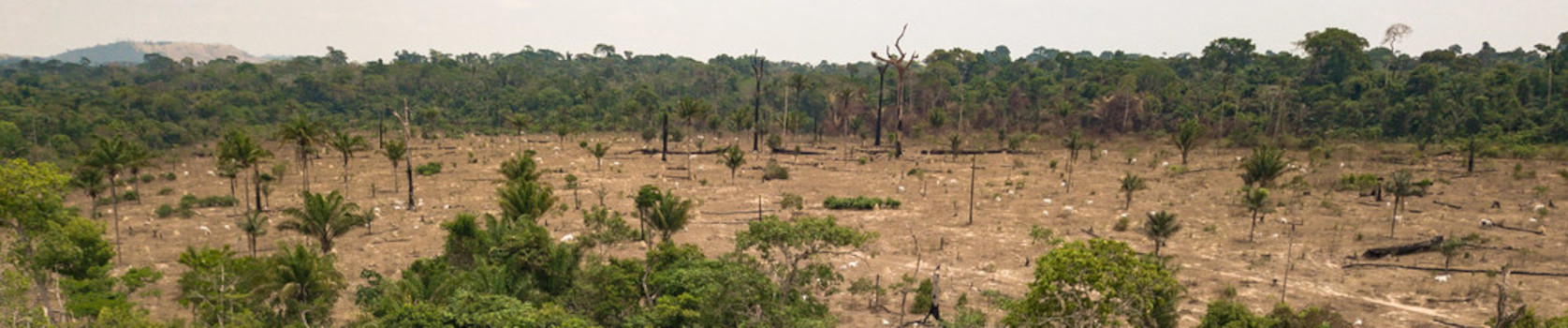
Following Lula da Silva’s remarkable electoral ‘remontada’, Brazil’s forests may sigh with relief. Lula’s re-election, with 51.8% of votes in the second ballot of Brazil’s presidential elections, averts a second Bolsonaro presidency that seemed to be looming after the first round of elections in early October. It would have threatened to dismantle environmental safeguards, weaken Indigenous territorial rights and accelerate the exploitation of the Amazon. Moreover, Flávio Bolsonaro’s alignment with Donald Trump offered little prospect for a continuation of Brazil’s international leadership for ambitious climate action. The threat was concrete, grounded in both the Bolsonaro family’s track record and Flávio’s personal campaign promises. Yet Brazil’s election was hardly a referendum on forests or climate policy. While forest protection attracts international attention, living costs, corruption and security dominate domestic concerns.

What can attending negotiations on biodiversity, land and climate tell us about the changing politics of global environmental governance? Reflections from Nairobi, Ulaanbaatar, Beijing and Shanghai. (mehr …)
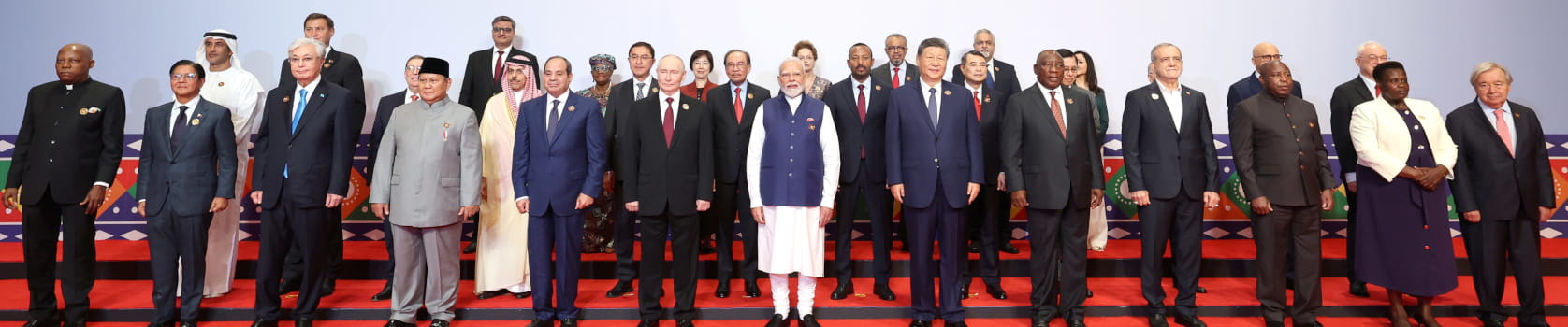 © MEAphotogallery on Flickr, CC BY 4.0, cropped by IDOS.
The BRICS group gets limited attention in Europe. Indeed, the BRICS member countries are “non-Western”, but not a coherent block. It is exactly for this reason, that it merits close attention. The BRICS+ as a group are economically fast catching up with the G7 in global weight – on purchasing power parity, BRICS+ has already overtaken the G7. Starting as an investment banker’s idea, the countries whose initials stand for BRICS – Brazil, Russia, India, China, and later also South Africa – have since taken more members to their informal club, inter alia Iran, Ethiopia, the United Arab Emirates and Indonesia. (mehr …)
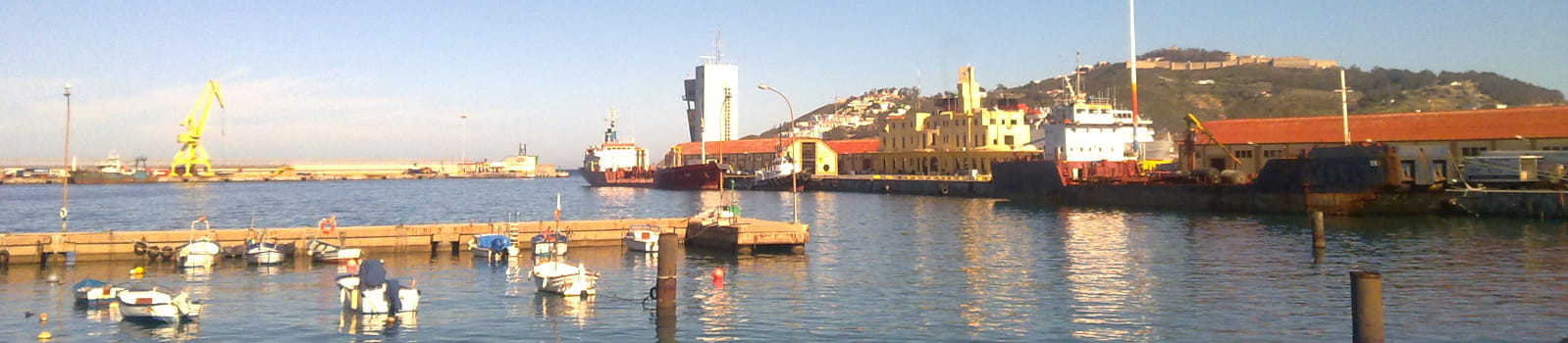
Images of people scaling the fence into Ceuta and Melilla fuel the perception of a loss of control. Yet these people cannot simply travel on to the rest of the EU, nor are its external borders the real threat. Rather, the threats lie in the scapegoating and the knee-jerk call for isolation. Both obscure the view of what could be possible: partnership on equal terms to create opportunities for local youth, regulated entry coupled with justified deportation, and honest information. (mehr …)