
Kategorie: Allgemein

  • Das Reformkonzept des BMZ – die Puddingprobe

    Photo: Glasfassade eines modernen Gebäudes Image by wal_172619 from Pixabay

    „The proof of the pudding is in its eating“. Das gilt auch für das neue Reformkonzept Zukunft zusammen global gestalten des BMZ. Es versteht sich als Antwort auf die Krise der Entwicklungspolitik, die vor allem aus der veränderten geopolitischen Lage, dem Rückzug der USA sowie dem wachsenden Druck auf öffentliche Haushalte resultiert. Allerdings wurden bereits im Vorfeld kritische Stimmen laut (hier, hier und hier). Im Zentrum dieser Kritik steht die zunehmende Fragmentierung der Entwicklungsbeiträge – die mediane Projektgröße ist zwischenzeitlich auf unter 100.000 US-Dollar gesunken. Hinzu kommt eine weiterhin dominierende Orientierung an Projekthilfe, die häufig nur unzureichend in die Strukturen der Partnerländer eingebettet ist. Ebenfalls bemängelt wird ein unklar gebliebenes Narrativ: Welche Ziele verfolgt die Entwicklungspolitik eigentlich – Armutsbekämpfung, die Bereitstellung globaler öffentlicher Güter, internationale Solidarität oder doch primär eigene Interessen? Diese Unschärfe untergräbt sowohl die Wirksamkeit der Maßnahmen als auch die „Ownership“ der Partnerländer. Daneben wird beklagt, dass es eine mangelnde Wirkungsorientierung und Lernkultur gibt, die es erlaubt Maßnahmen effizienter und kostengünstiger auszugestalten. (mehr …)

  • Executive Disorder – The United States officially turn their back on international climate governance

    The White House at night
    ©Kyrion on Flickr

    Today, 20 January 2026, marks not only the first anniversary of the second inauguration of Donald J. Trump as President of the United States of America, but also – and as an immediate consequence of the former event – the formal entry into force of the United States’ exit from the Paris Agreement on Climate Change. Notwithstanding this due date, the US had already passed on sending a delegation to the 2025 UN climate change conference that convened in Brazil in November. (mehr …)

  • Managing Change in Syria: Opportunities for Inclusivity Amid Fragmentation

    Image of the City of Damascus, Syria

    The fall of the Assad dictatorship and the collapse of the state have left Syria at a critical Juncture. The disintegration of the army and security forces marks the end of an era and presents an opportunity to dismantle the old exclusionary system. This moment of chance for change comes with risks, as the country faces the possibility of another authoritarian regime emerging. The challenge is to create a future that balances inclusivity and stability, while avoiding the dangers of path dependence — where Syria reverts to old patterns of governance. (mehr …)

  • The G20 and the Re-Calibration of Global Governance – Insights from the T20 Summit 2024 in Brazil

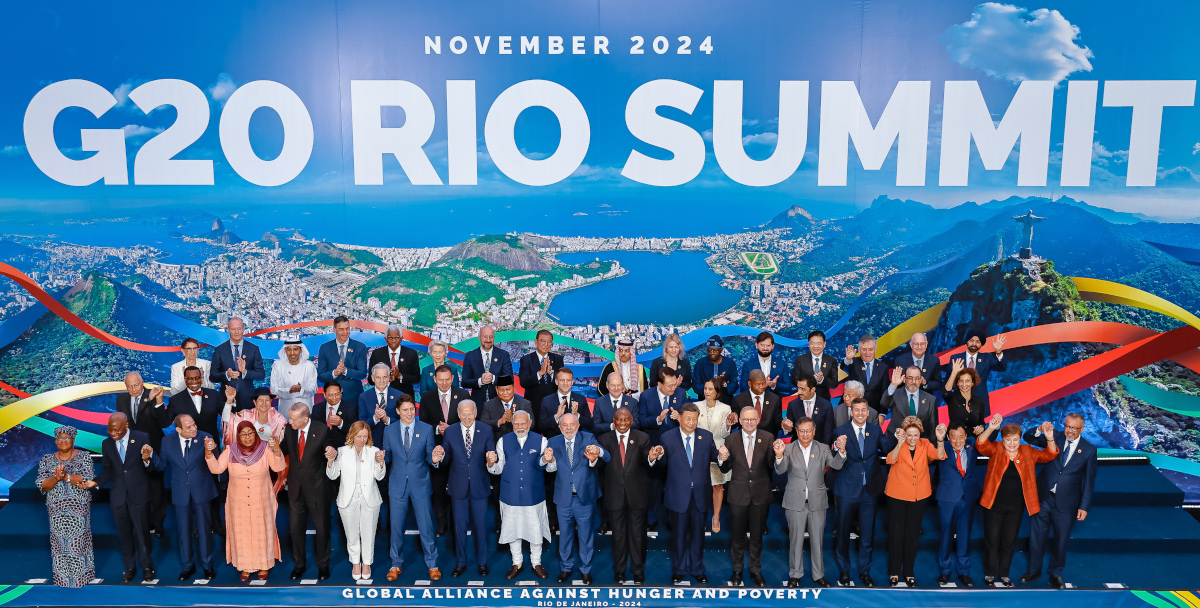
    The Heads of State at the G20 Summit in Rio de Janeiro in November 2024, forming a global alliance against hunger and poverty. © Palácio do Planalto on flickr, Photo: Ricardo Stuckert/PR

    In November 2024, Brazil concluded its G20 presidency with the handover to South Africa. Just one week before the G20 Leaders‘ Summit in Rio de Janeiro on 11-12 November 2024, think tanks and research organisations from around the world gathered for the Think20 (T20) Summit. They took stock of the uptake and implementation of the policy advice they provided to the G20 throughout the year. This blog post provides an overview of key discussions at the T20 Summit with a focus on the priorities under Brazil’s G20 presidency. It analyses to which extent Brazil has continued initiatives of India’s G20 presidency in 2023, and shares an outlook on the potential approach of the South African presidency in 2025. (mehr …)

  • Leveraging the FfD4 Preparatory Process to Remove Barriers to Channelling Special Drawing Rights to Multilateral Development Banks

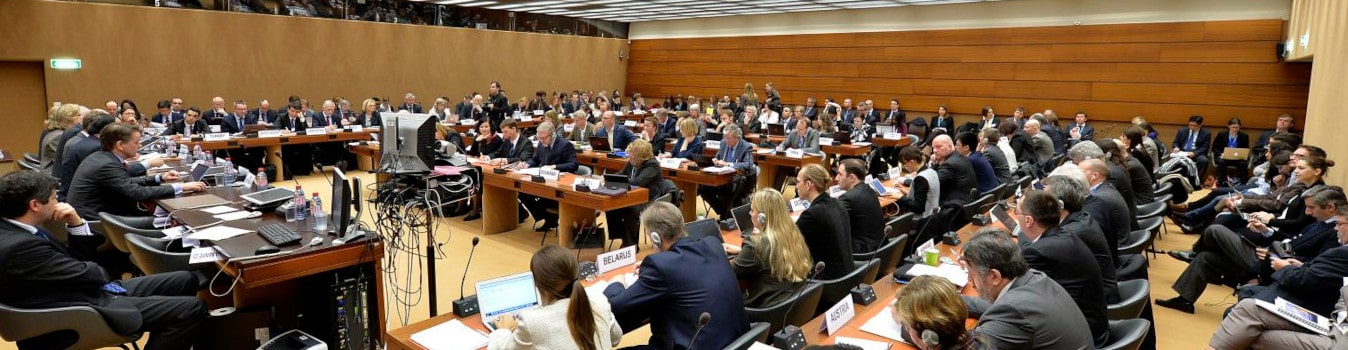
    Photo: A general view of particiânts during Regional Consultation on Financing for Development. 23 March 2015.

    In the face of multiple crises, the availability of development finance for developing countries is declining, even as their financing needs to achieve the Sustainable Development Goals are increasing. The Pact for the Future has recently called for eligible countries to channel half of their 2021 allocations of Special Drawing Rights (SDRs) at the International Monetary Fund (IMF) to developing economies, including through multilateral development banks (MDBs). (mehr …)