
In cities, where communities with diverse backgrounds converge, everyday solidarity can advance social cohesion.
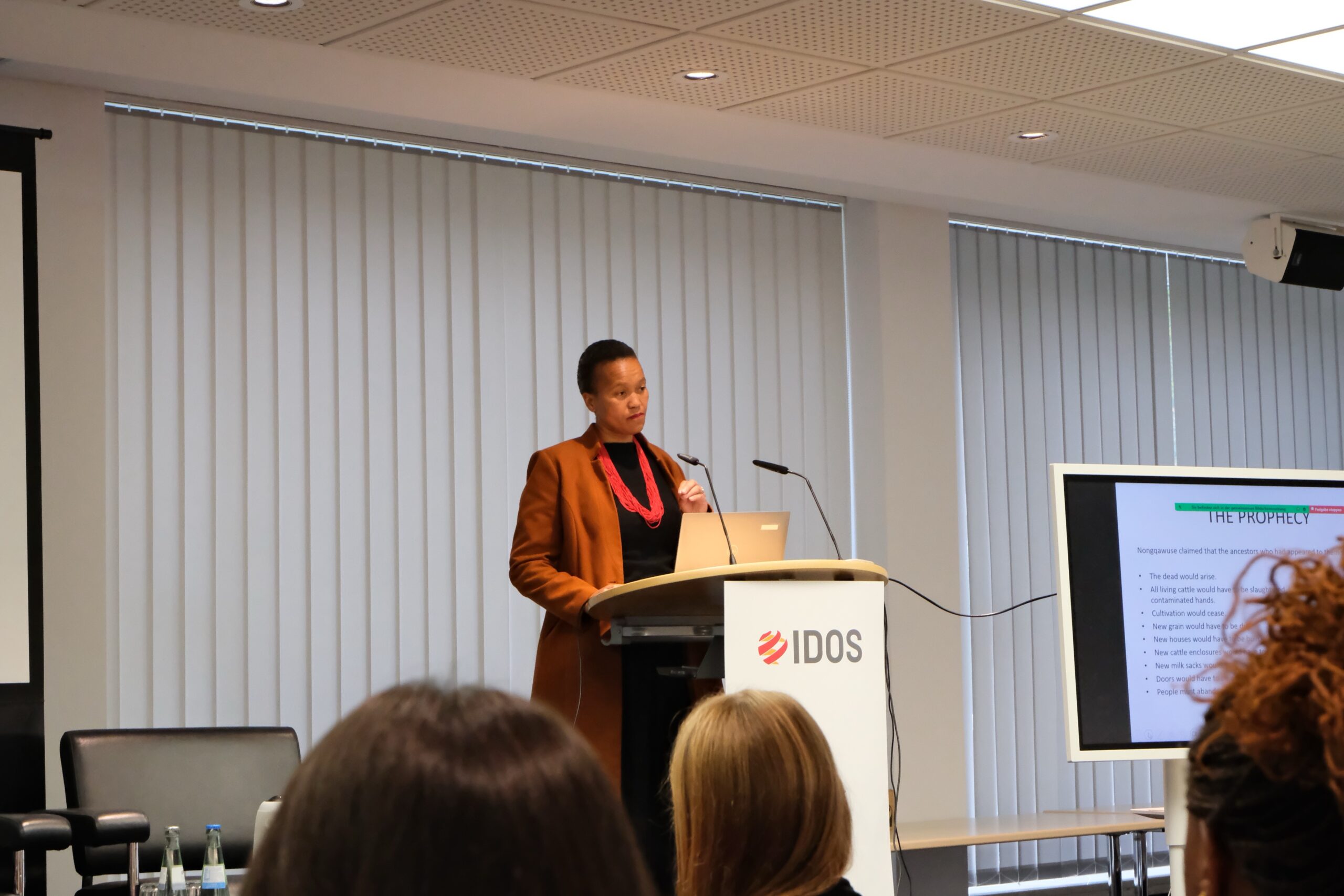
©IDOS
On 29 October 2026, IDOS hosted the expert panel “Towards Urban Social Cohesion and Migrant Inclusion” co-organised with Misereor. The expert panel took place in the context of the “Urban October” event series hosted by the Deutsche Gesellschaft für Internationale Zusammenarbeit (GIZ).
Cities are primary migrant destinations and places where communities with diverse socio-cultural backgrounds and identities converge. Within cities, informal settlements and inner-city areas are home to both low-income migrants and residents of the local population. They are also spaces where categorical boundaries in migration and displacement become blurred while history, memory and experience come together to shape everyday interfaces.
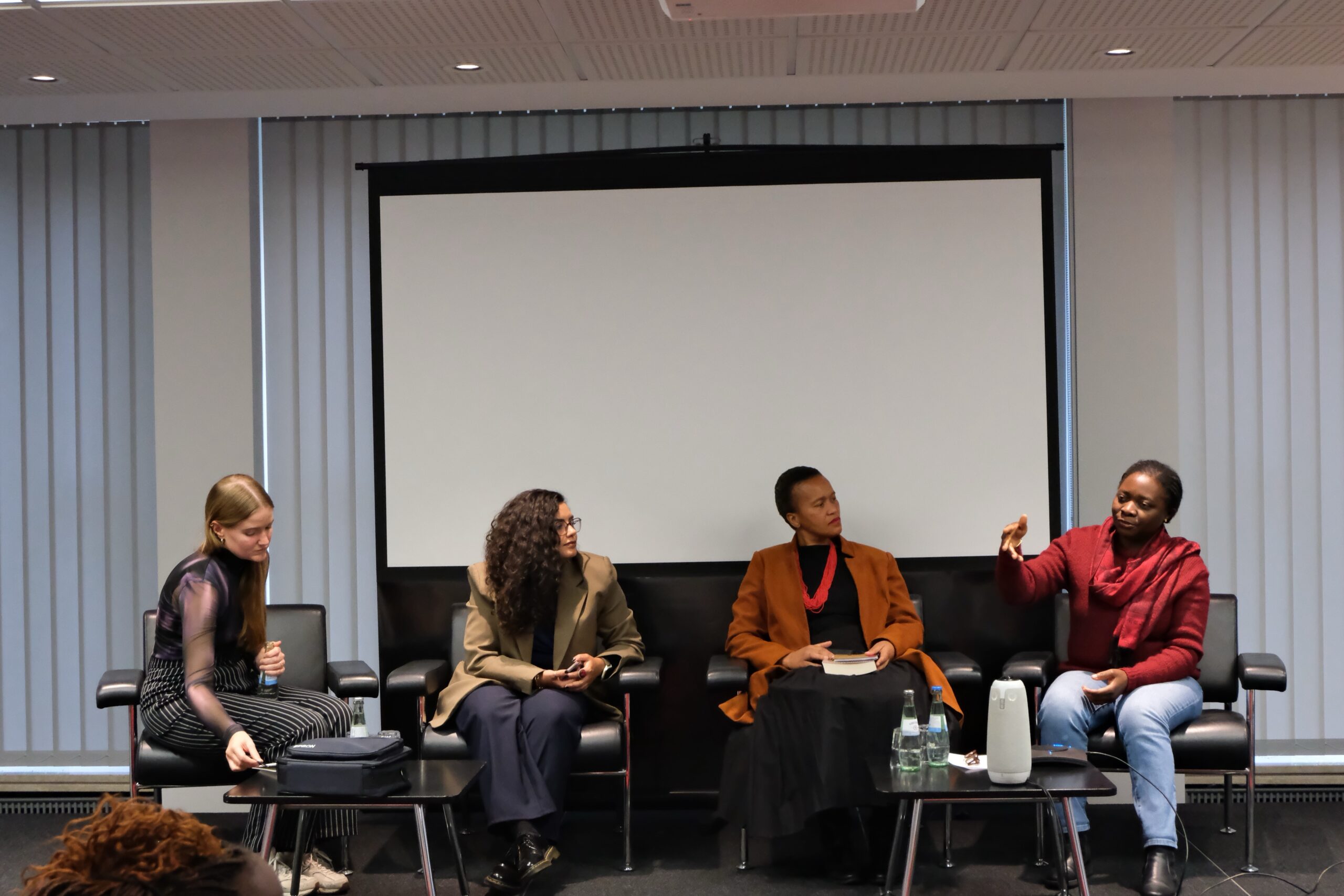
©IDOS
The expert panel of migration scholars and development practitioners, which was moderated by Dr Jacqueline Wingens, kicked off with a thought-provoking keynote by Nomzamo Zondo, Director of Socio-Economic Rights Institute of South Africa (SERI). This was followed by reflections by Nomzamo Zondo, Dr Rose Jaji (IDOS), Prof. Loren B. Landau (Oxford University, University of the Witwatersrand) and Mariana Ghawaly Giacaman (Misereor) as well as interactions with the audience. Sharing experiences from South Africa, Kenya, Mozambique and South-West Asia and North Africa, the expert panel reflected on urban migration patterns, (anti-) migration politics, as well as on guiding concepts and practical approaches for advancing urban social cohesion and inclusion.
Three key takeaways came out of the discussion:
- Human rights begin with recognising the humanity of the other. Good laws are key, but not enough. Where migrants are deliberately dehumanised and public fears instrumentalised, mobilising for enhanced political responsibility and counter-narratives is decisive.
- Urban realities challenge simple distinctions between “migrants” and “hosts”. Cities are places of movement, uncertainty and multiple forms of belonging. Policies for social cohesion need to acknowledge this fluidity rather than assume stable and clearly separated communities.
- There is reason for optimism at the local level. Everyday solidarity, neighbours supporting one another and spaces for encounter can make a difference. Such micro-level relations deserve greater attention and support in urban policy and development cooperation.
