The past few weeks have been a whirlwind for the 61st cohort of the Postgraduate Programme for Sustainability Cooperation (PGP), filled with academic module lectures, the kick-start of the research projects, and the building of new connections among participants and IDOS colleagues.
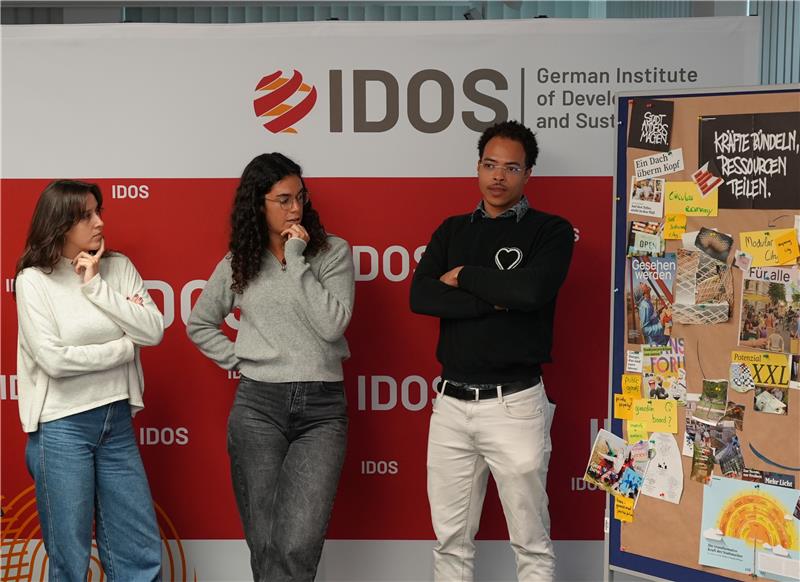
A highlight from the academic module sessions was the Conservation Game – a simulation exercise where participants assumed various stakeholder roles to negotiate the implementation of a new protected area on the fictional biodiverse coast of Japuri. Through this exercise, they experienced real-world conflicts between economic development, conservation, and community rights in the context of project implementation. Another highlight was the Urban Utopias session, where participants were tasked with envisioning the city of tomorrow. This year’s cohort put forward bold visions that tackled the issues of balancing growth with sustainability, ensuring gender equity and inclusion, and rebuilding social fabrics.
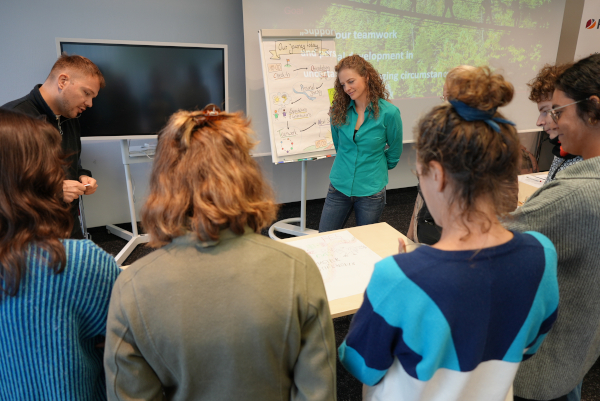
In between these academically intense sessions, participants also worked on strengthening their teamwork. In international cooperation, everything comes down to working together. As a first step toward the upcoming research stay, each of the three research teams completed a team-building day. Through exercises like drawing a personal “River of Life” to reflect on key experiences, mapping hopes and fears, and playing the “Desert Game,” participants and team leads got to know each other better, reflected on expectations and challenges, and practiced collaboration, laying the foundation for a successful research phase ahead.
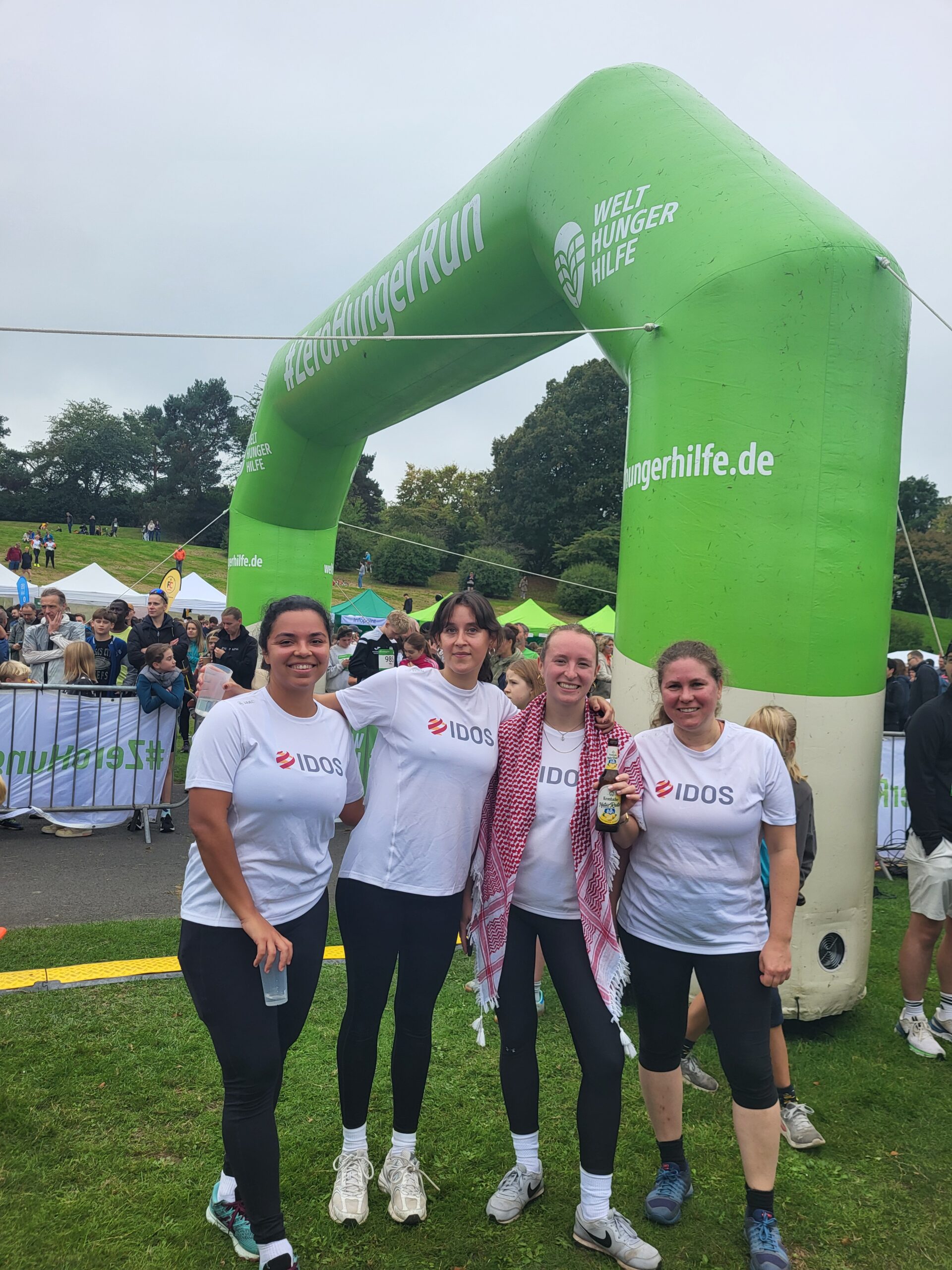
Participants also demonstrated their commitment to social engagement beyond the classroom. In addition to these team-building activities, some PGP participants also took part in the Zero-Hunger Run organised by Welthungerhilfe in Bonn. Whether walking, running, or cheering each other on, they combined team spirit with social engagement for a meaningful cause.

Schreibe einen Kommentar