Insights into urbanisation research by IDOS and partners made clear we must not leave cities to autocrats.
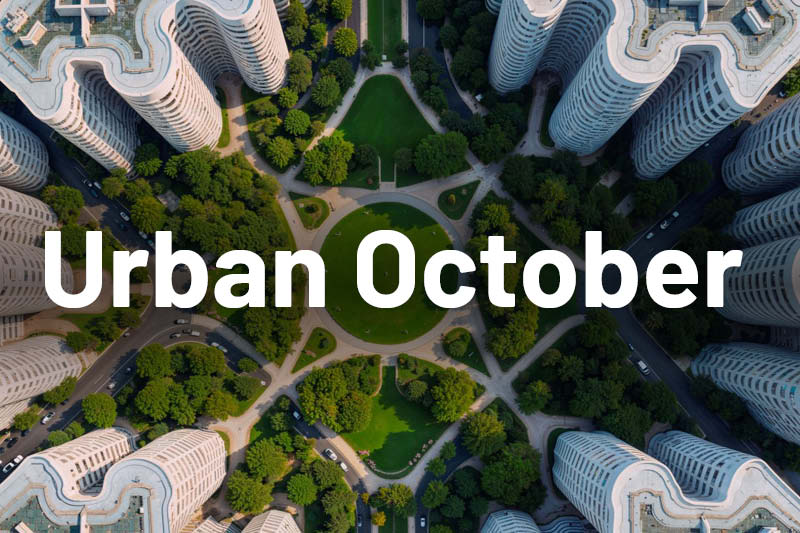
Those who plan cities shape the communal life of tomorrow. That is why urban development is always also a question of democracy: whose interests count, and who is left out? For this year’s #UrbanOctober on LinkedIn, IDOS put democratic urban development and planning at the centre of the conversation.
For urbanisation processes to be socially just, ecologically sustainable and inclusive, democratic urban development approaches are needed. An IDOS Policy Brief on “New Cities” critically shows how top-down planning often enforces the shadow interests of political elites instead of serving the needs of the urban population. In a Current Column, IDOS authors therefore argued that democratic actors such as Germany should be present at international conferences like the World Urban Forum, so as not to leave urban agenda-setting to others.
The #UrbanOctober post series on LinkedIn offered insights into IDOS’s work on the building blocks of sustainable urban development, such as citizen participation, measures for climate change adaptation and the promotion of public transport.
In addition, two events were held as part of the campaign. The expert discussion at IDOS, “Towards urban social cohesion and migrant inclusion”, held in cooperation with Misereor and Deutsche Gesellschaft für Internationale Zusammenarbeit (GIZ), focused on social cohesion and the inclusion of migrants in South African cities. Another online event in cooperation with GIZ, “Young. Urban. Digital. Democratic?”, asked how demographic change and digitalisation affect political participation in cities in Africa.
