How can countries sustainably finance and reform their health systems?
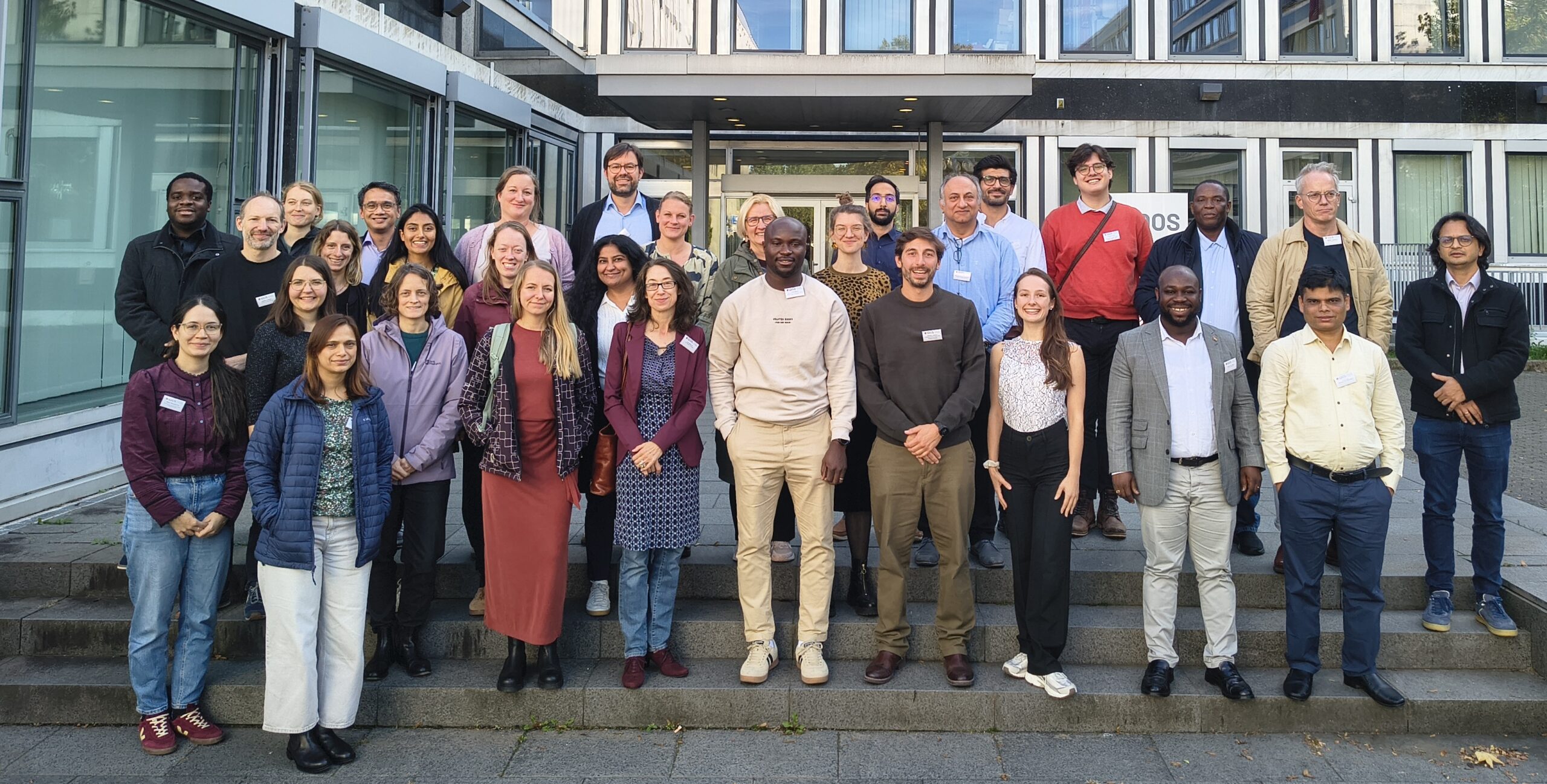
Against the backdrop of declining international development assistance, public budgets under pressure and ongoing needs in the healthcare sector: what reforms can countries implement to sustainably finance their health systems? This question was at the centre of the Health Economics and Development Cooperation Workshop, organised by the German Institute of Development and Sustainability (IDOS) as part of its BMZ-funded research and policy advisory project on health, together with the Bernhard Nocht Institute for Tropical Medicine (BNITM), on 15 and 16 October 2026 in Bonn.
In her keynote, Inke Mathauer, Senior Health Financing Specialist from the World Health Organization (WHO) outlined key challenges and policy options. One important message was that mobilising additional domestic resources is not enough. Equally important are reducing fragmentation in health financing, strengthening evidence-based priority setting and improving strategic purchasing of health services. Health taxes on products such as alcohol, tobacco and sugar-sweetened beverages can also generate additional public revenues while promoting healthier consumption and preventing noncommunicable diseases.
Empirical contributions from Pakistan, Ethiopia, India and Zanzibar, among others, also highlighted the importance of the design and implementation of health insurance schemes for healthcare access and financial protection.
For German development cooperation, a central question is how partner countries can be supported in building more sustainable and equitable health financing systems.
The workshop brought together researchers and representatives from development cooperation and international organisations. Beyond the scientific discussions, it also opened up new opportunities for international research collaboration.
