
DFG funded project explores science-policy interfaces in East Africa.
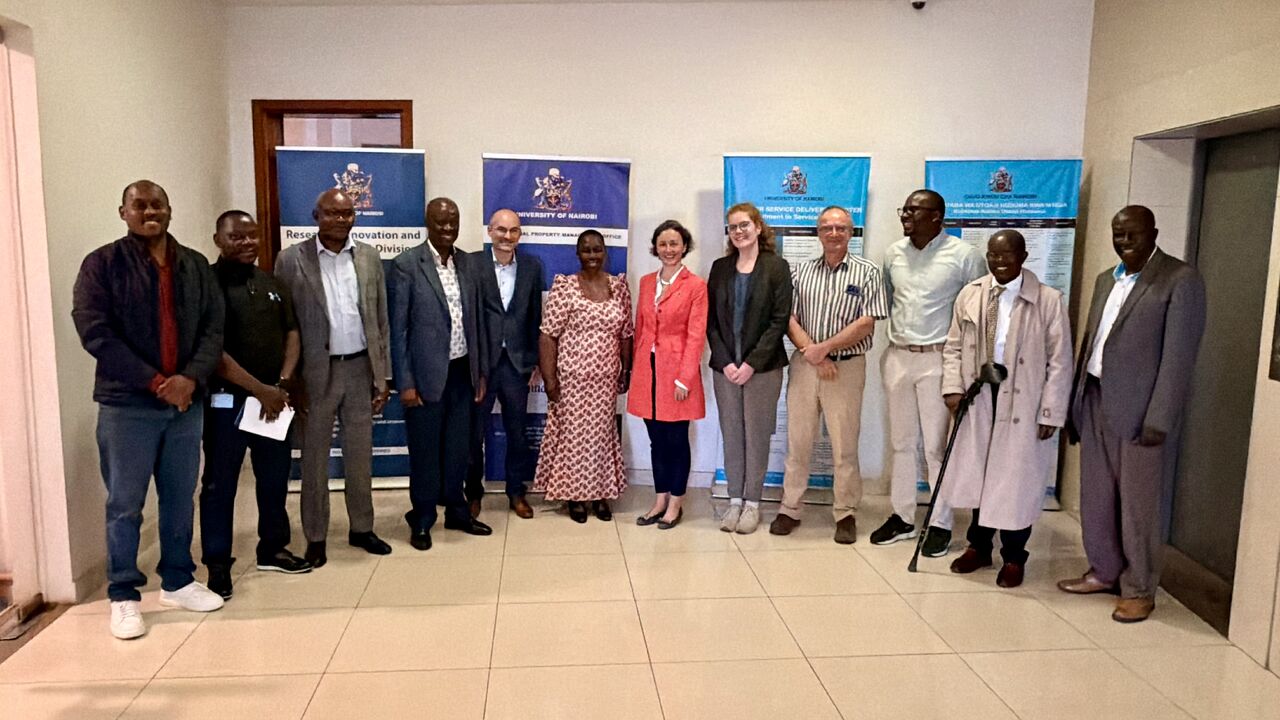
In recent weeks, IDOS Director, Prof. Anna-Katharina Hornidge, visited Nairobi for the kick-off of the FutureRuralAfrica Collaborative Research Centre – DFG-funded, and hosted jointly by the Universities of Bonn and Cologne. Within this broader framework, Prof. Hornidge leads the project SienceFutures – which studies how scientists and policy makers co-produce “rural futures” through scientific and non-scientific knowledge production, with a focus on science-policy interfaces.
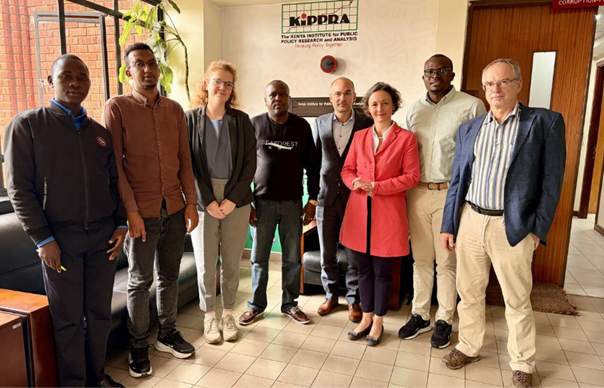
The Nairobi visit offered an opportunity to engage with three distinct types of actors shaping these interfaces: KIPPRA, Kenya’s national public policy think tank; the University of Nairobi, whose alumni reach into many areas of policymaking; and CGIAR research institutes including International Livestock Research Institute (ILRI) and International Potato Center (CIP). A key takeaway: Science-policy interfaces are shaped by a diverse ecosystem of actors, each bringing distinct mandates, expertise and pathways for connecting knowledge and expertise with decision-making. As the keynote by Abbi Kedir of the African Economic Research Consortium emphasised, trusted long-term partnerships matter, as do epistemic friendships embedded across different sectors of government who are open to subject-oriented exchange with researchers and think tanks.
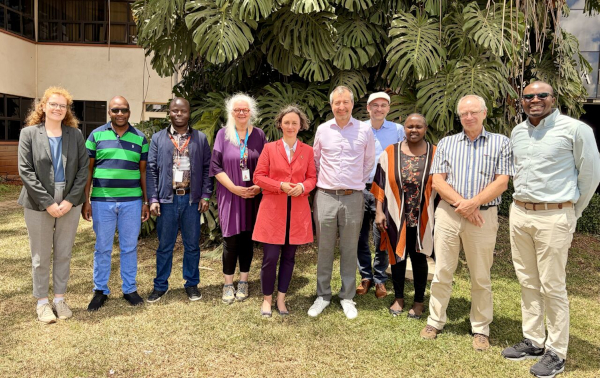
Following the kick-off in Nairobi, the team convened for a summer school in Naivasha for intensive research planning, methods training and conceptual debate ahead of upcoming fieldwork in Kenya, Tanzania and Namibia.
