In disruptive times, cooperation and perseverance can drive reform and sustain dialogue across an increasingly fragmented world.
The events of the past months share a common thread: in times of geopolitical disruption, the question of how to sustain cooperation, build new alliances and shape reform is not only urgent, but our central task.
On 21 September, IDOS published its new flagship report “Sustainable Futures at Stake? The Case for Politics of Cooperation and Perseverance.” Disruptive policymaking is on the rise – from trade wars to the return of state violence as an instrument of policy and the spread of authoritarianism worldwide. Yet these times call upon us to move beyond analysing disruption and making grim forecasts. Drawing on IDOS research and policy engagement with international partners, the report highlights the institutions, actors and partnerships that are shaping reform and ensuring cooperation in a multipolar world. Its central argument: politics of cooperation and perseverance can turn disruptive change into reform dynamics that open pathways towards sustainable futures. Two key findings stand out: reform is already taking shape in several policy areas – and middle powers can lead the way. We warmly invite you to read the report here.
“Readers will look beyond disruption to discover in which policy areas reform is already taking shape and who needs support to drive it forward.”
“Our shared finding is that middle powers and regional powers can lead the way to reforms for the structural transformation needed. Cooperation is THE strategic resource.”
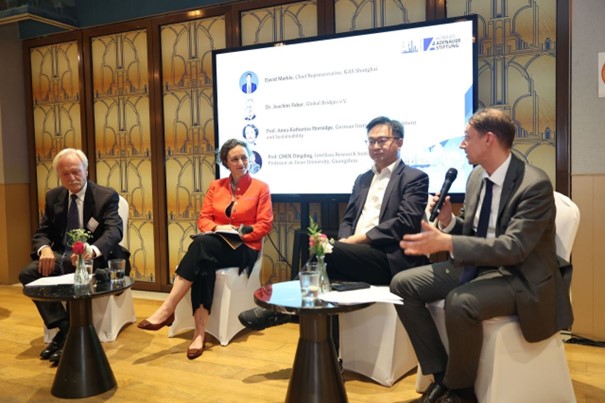
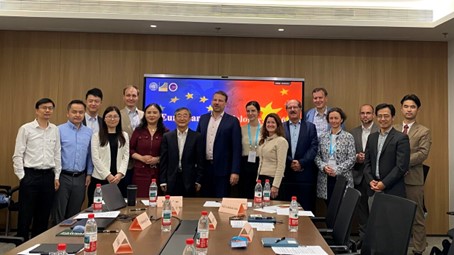
This understanding of cooperation as a strategic resource also shaped the discussion that followed in an international context. At the 14th Sino-German Forum at Tongji University, 17-22 September, Prof. Hornidge engaged in exchange on European and Chinese trade and industrial policy in a security-driven global order – a conversation that connects directly to IDOS’ flagship report’s argument about the politics of cooperation in disruptive times. In her contribution, she reflected on the current state of global governance: while plurilateral formats continue to gain importance, the multilateral level is increasingly characterised by deadlock. Against this backdrop, she highlighted five areas for consideration in EU-China relations: de-escalating trade tensions; identifying areas of mutual interest, including climate-stabilising transformation of energy and food systems; acknowledging differences on issues such as Russia’s war in Ukraine and regulatory standards; respecting mutual anxieties on both sides; and investing in shared normative and institutional frameworks – from the 2030 Agenda and its successor frameworks to the G20 and WTO.
