Plurilateralism, gender-responsive trade and preferences take centre stage as the trading system faces growing uncertainty.
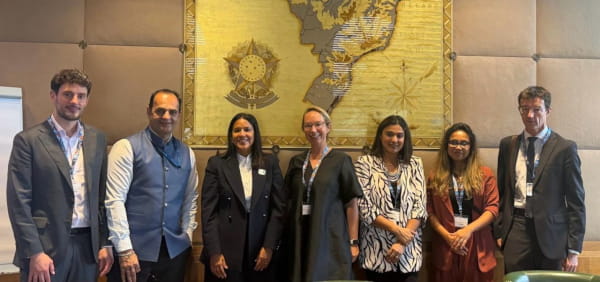
At the WTO Public Forum in Geneva and the World Trade Forum 2026 in Bern, IDOS contributed to the debate with a range of activities. Tariffs used as geopolitical leverage, a deadlocked multilateral system and growing uncertainty over preference schemes are putting the international trading order under severe strain. That makes it all the more urgent to ask how trade policy can remain inclusive, sustainable and development-friendly. This question ran through IDOS’s contributions to the events in Switzerland.
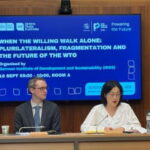
At the Public Forum, IDOS organised an event on plurilateralism. The lively debate showed that plurilateral agreements can bring new momentum to the WTO. When groups of members move ahead together, progress becomes possible even where consensus among all members is currently out of reach. To make the most of this potential, the WTO needs greater flexibility along with open, inclusive processes that give developing countries a real voice.
Together with GIZ, IDOS also organised a session on gender-responsive trade policy. The key message was that gender is not an add-on but a precondition for resilient trade policy. Making trade more robust against shocks means taking seriously how differently trade policy affects women and men.
IDOS further contributed to a Curated Conversation on the gap between trade policy practice and the rhetoric of inclusive trade. Drawing on her research, Prof. Clara Brandi showed how trade and environmental goals can be combined without shifting the costs onto low-income countries.
In addition, IDOS and the T20 Trade and Investment Research Network (TIRN) convened a meeting on trade and investment priorities for the current and upcoming G20 presidencies.
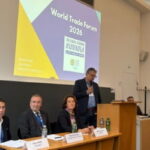
At the World Trade Forum in Bern, an IDOS session asked whether trade preferences such as AGOA and the EU GSP still deliver in a fragmenting world. One key message: market access on paper is not the same as trade opportunities in practice. Preferences only work when they come with targeted support and a predictable policy environment.
Turbulent times call for fresh ideas on how to renew the rules-based trading system and make it fairer. IDOS will continue to shape this debate through research and policy advice.