
An engaging cross-regional dialogue unfolded at COP30, where an IDOS-organised official UNFCCC side event bring together partners from West Africa, Brazil and Europe. They examine how the Global Stocktake (GST) can deliver more inclusive, just, and regionally grounded outcomes on adaptation and loss and damage.
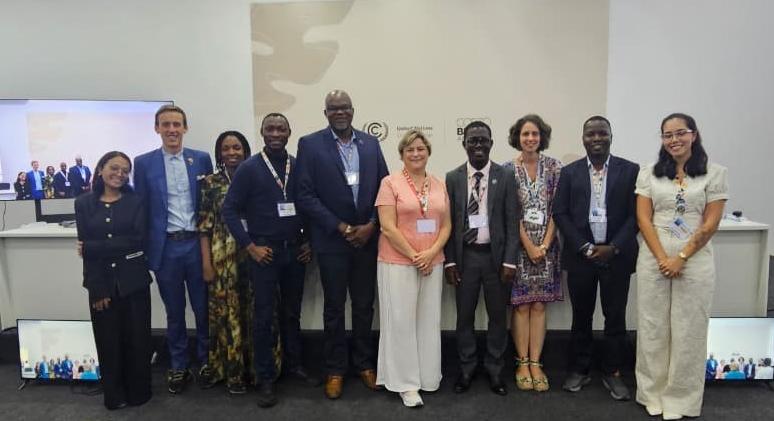
Organised by IDOS alongside WASCAL, ISMUN, the University of Bonn and the University of Geneva, the event provided a valuable platform for exchange in the Blue Zone of COP30 in Belém, and was moderated by IDOS researcher Dr Niklas Wagner.
The first half of the session focused on inclusion and engagement in GST-1, underscoring why meaningful participation is essential for the credibility of global review mechanisms. Speakers from WASCAL and civil society reflected on their experiences in GST-1, highlighting both advances and remaining barriers to ensuring that regional knowledge, youth voices, and local realities are integrated into global assessments. Youth contributors from Nepal, Brazil, and Nigeria further emphasised the need for more accessible and transparent pathways for young people to shape the GST process.
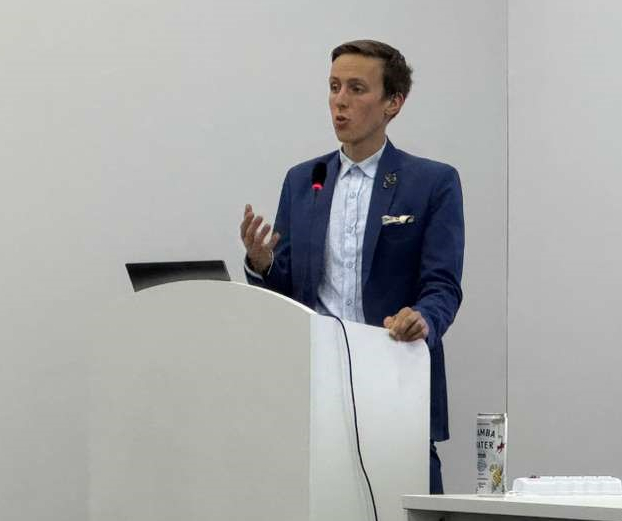
The second segment turned to GST outcomes and their implications for adaptation and loss & damage. Here, Dr Niklas Wagner offered insights into how adaptation was framed in the GST outcome text, pointing to political dynamics that shape global narratives and stressing the need to better connect these high-level findings with national planning and finance requirements. He underscored that the next GST cycle must integrate equity considerations and regional priorities more systematically.
Additional contributions from the Alliance of Bioversity International, the University of Geneva, and ISMUN demonstrated how GST-1 can guide upcoming NDC updates, support regional cooperation, and strengthen responses to loss & damage. Across interventions, speakers highlighted the importance of linking GST outcomes to accessible finance and robust institutional support, particularly for regions facing heightened climate vulnerability.
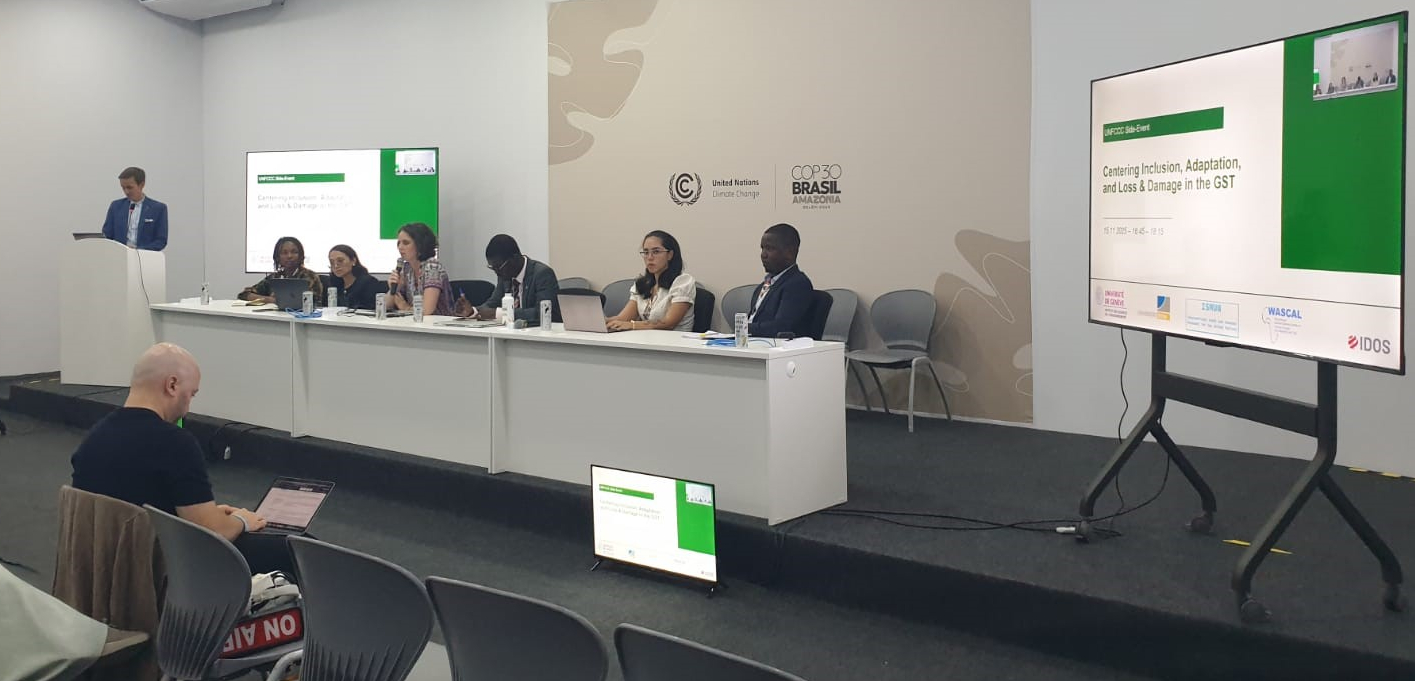 Overall, the event underscored the value of cross-regional collaboration at COP30 and highlighted how more inclusive, participatory, and justice-oriented approaches to the GST can contribute to more resilient and equitable climate action across the Global South.

Schreibe einen Kommentar