On October 14, Save the Children Germany, IDOS and SLYCAN Trust are hosting a high-level event high-level event on “From Climate Negotiations to Resilient Health Systems”. Former Federal Minister of Health Karl Lauterbach is also expected to attend. Ahead of the conference, Dr. Christoph Strupat, global health expert at IDOS, explains concrete impacts of climate change on health systems and how to protect particularly vulnerable population groups.
How do health systems notice the effects of climate change in practice?
Climate change is also a health crisis. Rising temperatures, extreme weather events, air pollution, wildfires, and food insecurity increase the risks of illness and death – according to the World Health Organisation, an additional 250,000 people die each year as a result. Heat leads to more cardiovascular and respiratory emergencies; floods foster infections, contaminate drinking water, and render entire regions uninhabitable; droughts weaken nutrition, especially for children, and cause long-term growth and developmental disorders. In Southern Europe, heatwaves are becoming more frequent; in East Africa, malaria and dengue are spreading into new areas; in Bangladesh, diarrhoeal diseases rise sharply after floods. Health facilities worldwide are under pressure: power outages, damaged buildings, overstretched staff, and disrupted supply chains for medicines all exacerbate the situation.
What practical steps can countries take to make their health systems more climate-resilient?
Many measures are simpler than one might think and often highly effective (see also our IDOS column “How can climate-resilient health systems be successfully established?”). It often comes down to many small, concrete steps: health facilities can be built or retrofitted to withstand heat or flooding. Early warning systems for heatwaves, such as in Thailand, have been proven to save lives when combined with clear risk communication. In Rwanda, health data are digitally linked to detect climate-induced outbreaks of malaria or Rift Valley fever more quickly; in India, health workers are specifically trained to deal with heat and climate-related infections. Equally important is access to basic health services: our IDOS research on climate and health in Sub-Saharan Africa shows that such access alone can reduce climate-induced negative health effects among children in rural areas by around 30 percent. What matters most is acting proactively and building a reliable health system for everyone – not only once the crisis has already arrived.
How does climate financing actually reach people and institutions on the ground—and where do the bottlenecks lie?
Far too little money is flowing into health: only about 0.5 percent of global climate adaptation funds go to the health sector, while African countries receive around 14 percent of what they actually need. As a result, investments in vaccine cooling, reliable energy, water, resilient buildings, and transport are often missing at the local level. A positive example is Kenya, where there are efforts to decentralise climate finance through counties and implement locally prioritised projects, including those related to health. Still, funding often falls short, application processes are overly complex, and money tends to remain at the national level without reaching primary health care. What helps are substantially higher contributions to multilateral funds such as the Green Climate Fund (GCF), simplified and transparent procedures with direct access for local actors, clear priorities for basic health services, and monitoring that makes visible where funds are going and what impact they achieve. Only then can climate finance truly improve health care.
How can we ensure that particularly vulnerable groups are actually the focus of attention?
The most affected are children, older people, pregnant women, and those living in poverty. They need easy access to reliable care, clear information, and services available where they live, for example, through mobile health teams during droughts or after floods. Awareness-raising should use simple language and local languages to ensure messages truly reach people. It is equally important that programmes are developed together with these groups from the very beginning, for instance, through local health plans or community meetings. Financial and geographic barriers must be reduced so that no one is excluded from access. Finally, clear indicators and data are needed to show whether these groups are truly benefiting. Only then can the commitment to put them at the centre become a reality.
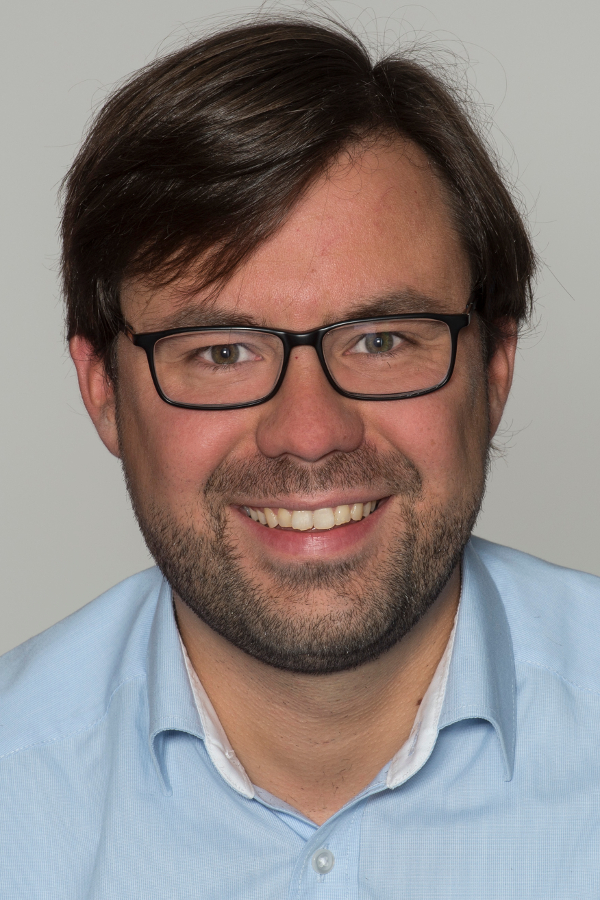
Dr Christoph Strupat is a health economist and project lead of the research project “Fostering resilience through Health and Social Protection policies in times of multiple crises” at the German Institute of Development and Sustainability (IDOS).

Schreibe einen Kommentar